
Last updated September 25, 2026
Non-destructive entry first, always - and we re-key Schlage, Kwikset, and Baldwin locks on the spot while you watch
You get a price before we start. It does not change when we arrive. No surprises.
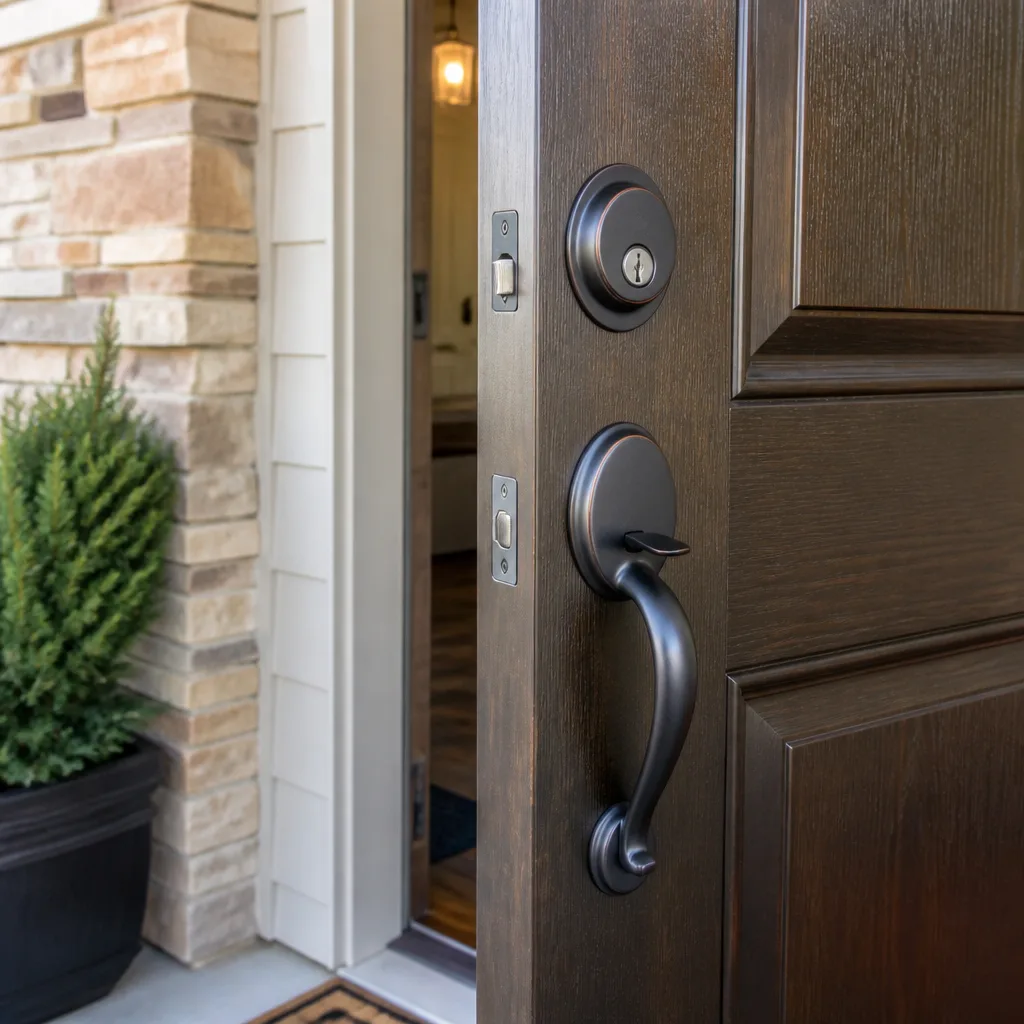
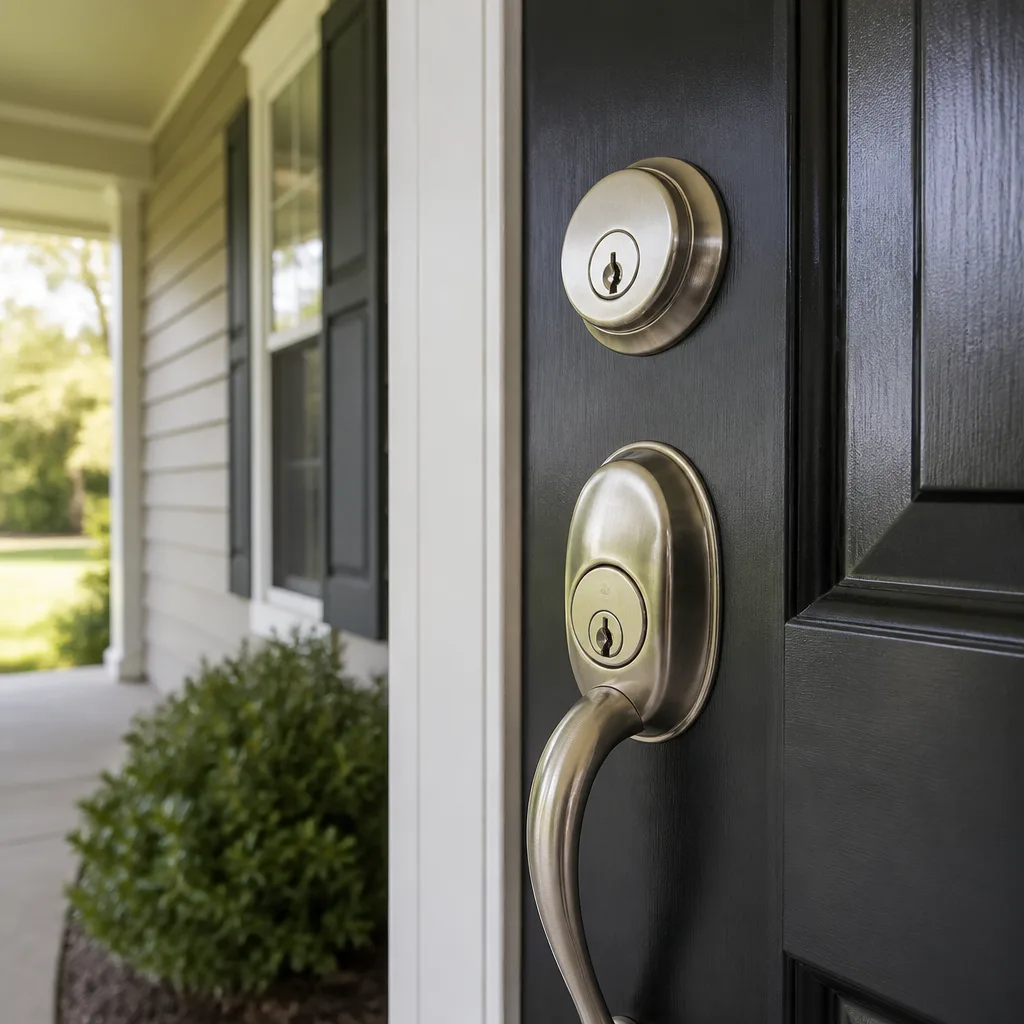
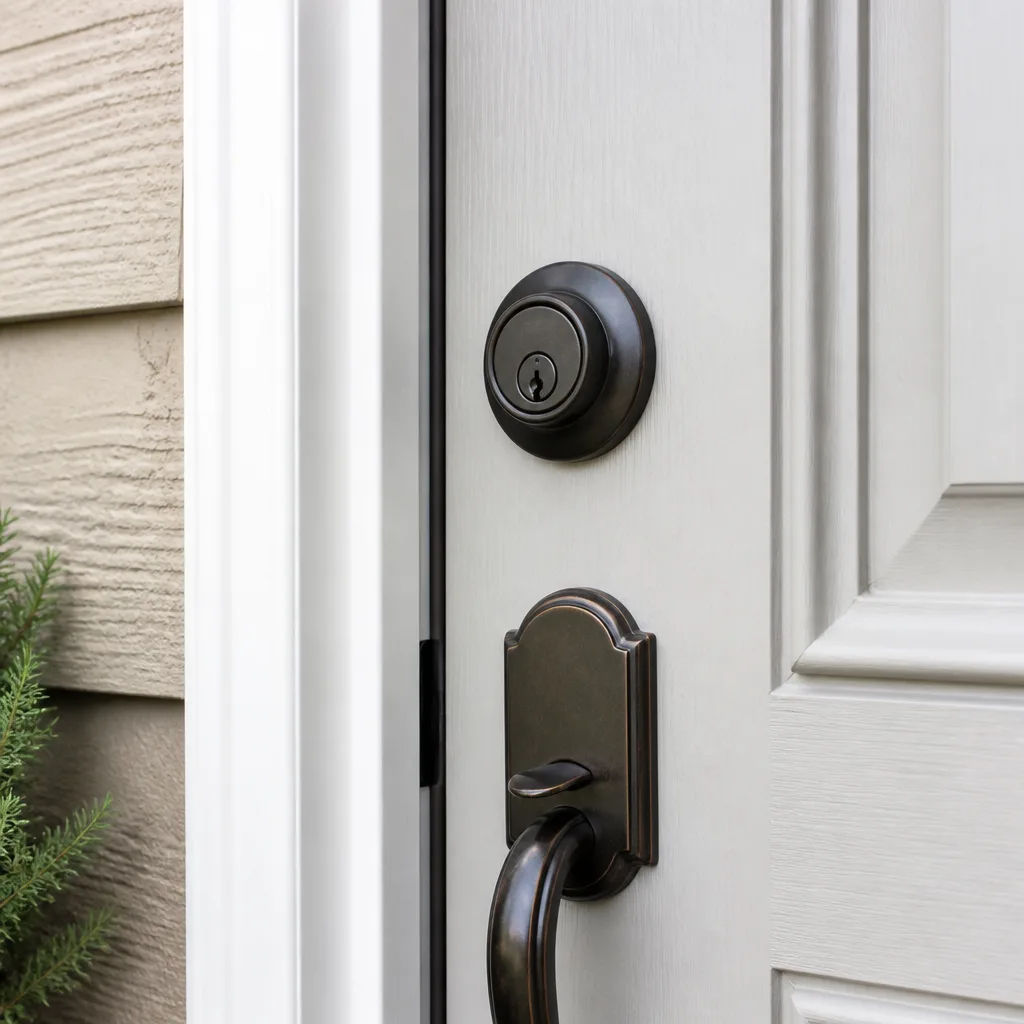
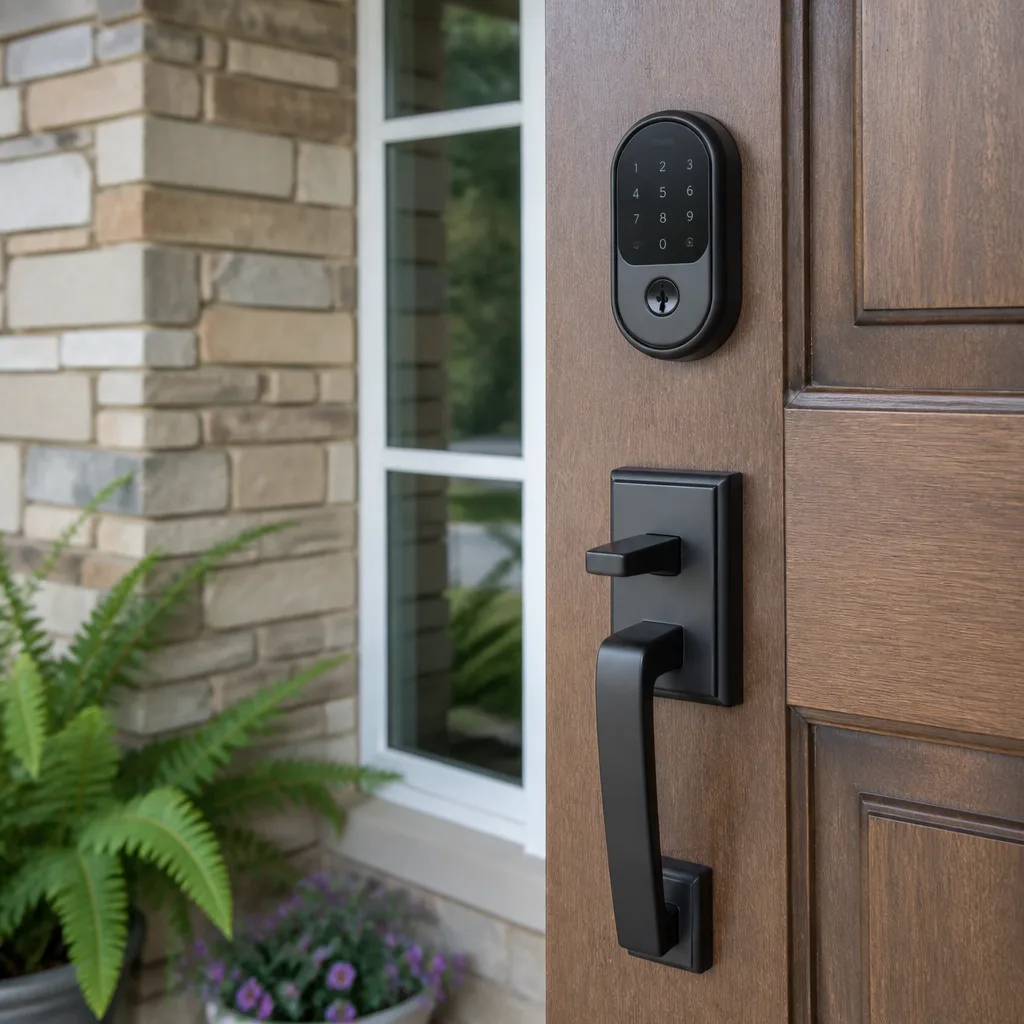
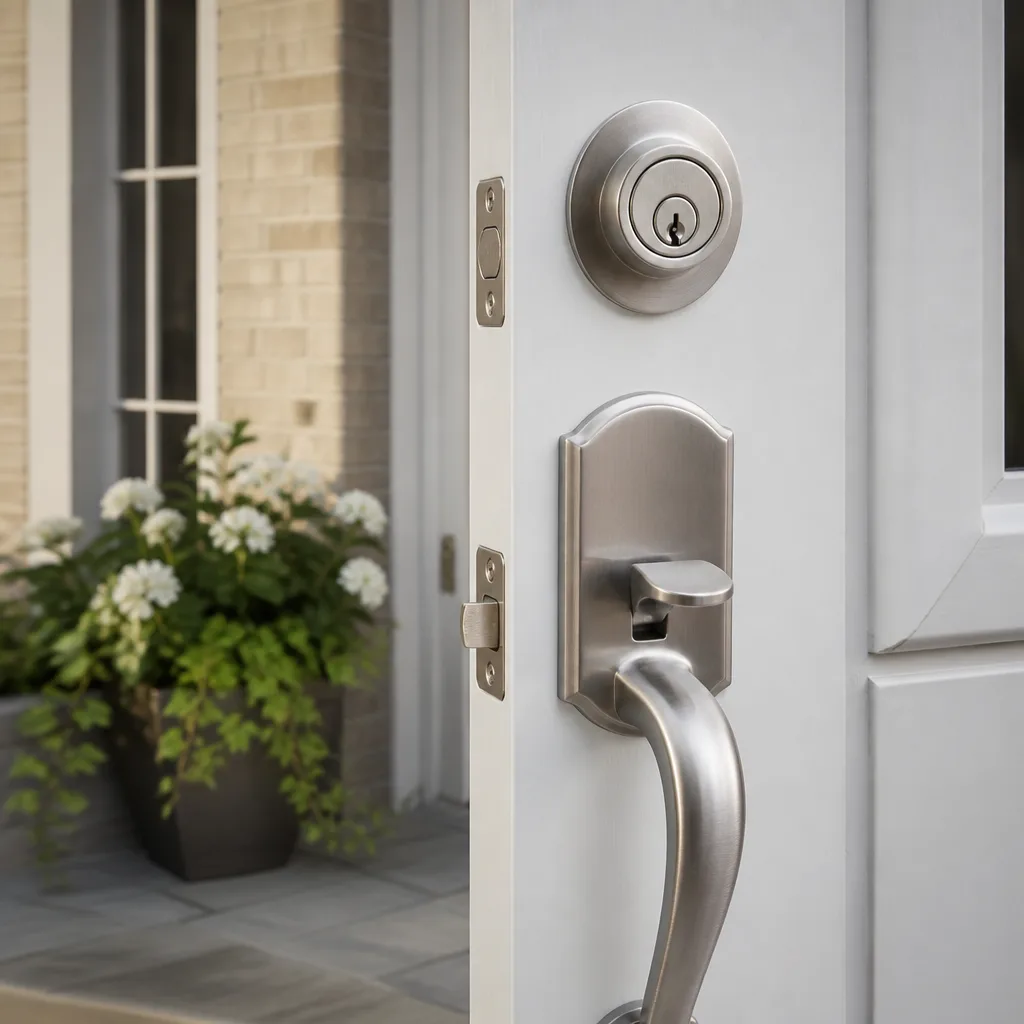
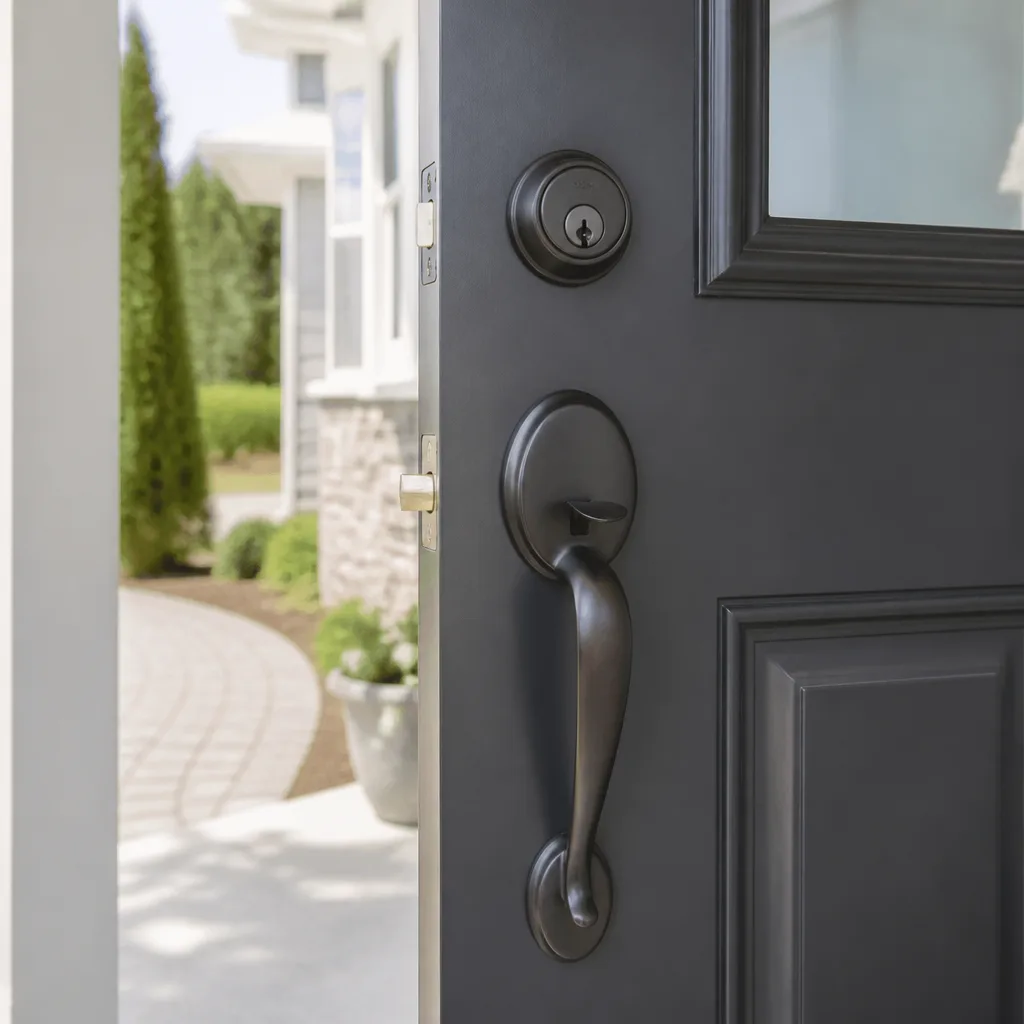
Seasonal Locksmith Care for Manhattan: Year-Round Homeowner’s Guide
The most common cause of a lock cylinder failing on the coldest day of January in Manhattan is inadequate lubrication applied the previous November, after temperatures had already begun dropping and the lubricant never penetrated the cylinder fully. We’ve seen this exact failure pattern hundreds of times since 2002, across every Manhattan neighborhood from the Financial District to Inwood. This guide maps the right maintenance task to the right month, because what protects your hardware in October will damage it by April.
Quick Answer
Manhattan homeowners should perform four distinct lock maintenance cycles annually: winter prep with graphite lubrication in October-November, salt and debris removal in March-April, humidity and heat inspection in June-July, and a full hardware audit before heating season in September. For a deeper dive into each cycle, see our The Complete Guide to Locksmith in Manhattan. Each cycle addresses a specific climate stress - freeze-thaw expansion, particulate accumulation, wood swelling, and thermal contraction - that affects lock function, security, and lifespan.
Table of Contents

- Winter Prep: October-November
- Spring Maintenance: March-April
- Summer Tasks: June-July
- Fall Audit: September
- Year-Round Tracking and Documentation
- Common Mistakes to Avoid
- When to Call a Professional
- Frequently Asked Questions
Winter Prep: October-November
Manhattan’s winter prep window closes faster than most homeowners realize. By the time the first sustained freeze arrives, typically in mid-December, any lubrication that hasn’t fully penetrated a cylinder will sit on the surface and actually trap moisture against the pins. The correct product, applied at the correct temperature, is the difference between a lock that turns smoothly in January and one that seizes.
Why Graphite Outperforms WD-40 in a Manhattan Winter
WD-40 is a water displacement formula, not a lubricant. In sub-freezing temperatures, its petroleum base thickens and gums the pin chambers. Graphite powder, by contrast, maintains particle mobility down to -40°F and carries no base oil to congeal.
We’ve documented the failure pattern across Manhattan’s pre-war buildings, where original brass cylinders are especially susceptible. In a typical winter call in Chelsea or the Upper West Side, we find a cylinder packed with brown, thickened residue where WD-40 was applied in November. The repair requires full disassembly and solvent cleaning, or cylinder replacement if corrosion has set in.
The correct procedure for October-November:
- Remove the cylinder if possible, or use a precision applicator tube to direct graphite into the keyway.
- Insert and withdraw the key 10-15 times to distribute powder through all pin chambers.
- Wipe exterior surfaces clean; excess graphite on the faceplate stains hands and clothing.
- Test operation at both room temperature and after a cold-soak (leave the key outside for 30 minutes, then test).
For high-security cylinders - Medeco, Mul-T-Lock, Abloy - manufacturer specifications vary. Mul-T-Lock’s interactive pin system requires their proprietary lubricant; graphite can interfere with sidebar function. We note the product used on every service record under The Haven Standard.
Weatherstripping Alignment and Frame Contraction
Steel door frames in Manhattan’s high-rise stock contract measurably in cold weather. A deadbolt that throws smoothly in September may bind against the strike plate by January. The gap between door and jamb narrows as the frame shrinks, compressing weatherstripping and increasing resistance against the bolt.
Check alignment in October, while temperatures still allow adjustment. The strike plate should permit bolt entry with finger pressure alone. If you’re leaning into the door to engage the deadbolt, the frame has shifted or the weatherstripping has compressed beyond specification. This is not a lock problem; it’s a door problem that will destroy the lock mechanism if unaddressed.
In brownstone and townhouse construction common to the West Village and Harlem, wood frame contraction is more pronounced than steel. We’ve measured 1/8-inch seasonal movement in original 1890s door frames. The fix is often a strike plate with an adjustable lip, or in severe cases, a mortise lock with a longer throw that accommodates frame movement.
Key Takeaways: Winter Prep
- Use graphite powder, never WD-40, for sub-freezing performance
- Apply lubrication when temperatures are still above 50°F for full penetration
- Test deadbolt throw against expected frame contraction
- Document product and date for warranty and insurance records
Spring Maintenance: March-April
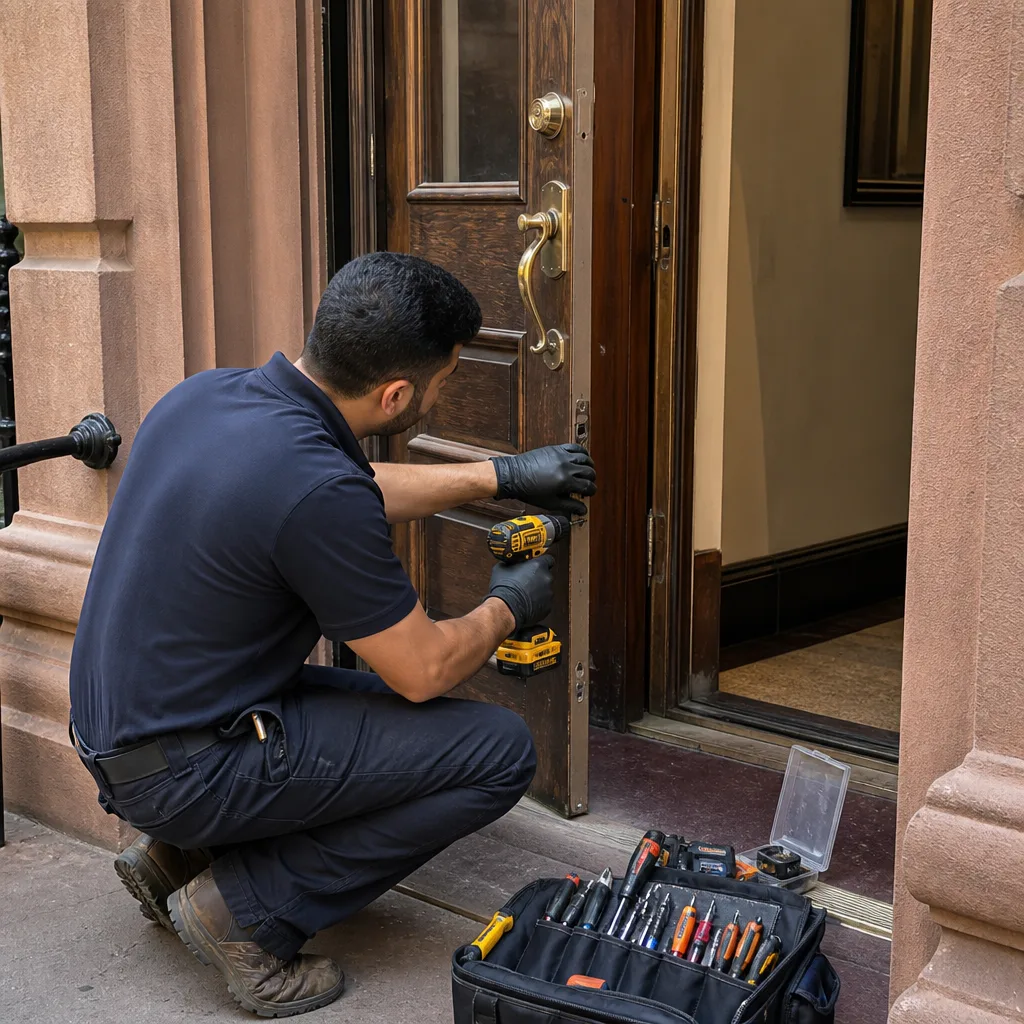
Manhattan’s spring thaw releases months of accumulated punishment onto exterior hardware. The salt and sand applied to sidewalks from December through March become airborne with every passing truck, every gust between buildings, every footstep on a wet stoop. By April, we’ve found keyways packed with crystalline residue that acts like sandpaper on precision brass pins.
Salt and Sand Residue Removal
The cleaning procedure is specific and worth doing right once rather than repeatedly:
- Flush the keyway with a solvent-based contact cleaner (not water-based; residual moisture accelerates corrosion).
- Work the key in and out while the solvent is wet to suspend particulate.
- Blot, don’t wipe, the faceplate - wiping drives debris into the mechanism.
- Apply graphite only after complete solvent evaporation, typically 15-20 minutes.
- Operate the lock 20 times and inspect the key for residue transfer.
In our experience, locks facing avenues with heavy truck traffic - Amsterdam, Lexington, the West Side Highway corridor - accumulate residue faster than those on interior side streets. Ground-floor units in Midtown are particularly affected. We’ve replaced cylinders in April that were pristine in October, solely due to particulate intrusion.
Hinge Inspection After Freeze-Thaw Cycling
Door hinges bear the full stress of frame movement. In Manhattan’s climate, a door swings on hinges that have been loaded unevenly for four months as the frame distorts with temperature. By spring, hinge screws may be loosened, leaves may be bent, or the pin may be worn where it contacted the barrel under offset load.
Check for:
- Screws that turn freely (stripped or elongated holes from seasonal movement)
- Vertical play in the door when lifted by the handle
- Binding at the top or bottom of the latch edge, indicating hinge sag
- Cracked or delaminated hinge leaves on fire-rated doors
A sagging door misaligns every lock component. The latch bolt scrapes the strike plate, the deadbolt binds, and the cylinder tailpiece operates at an angle that accelerates wear. Hinge repair is lock preservation.
Key Duplication Accuracy Check
Cylinder expansion during freeze-thaw cycles subtly alters pin chamber dimensions. A key that was cut to specification in September may operate at the outer tolerance by April. If you’ve noticed increasing resistance, or if the key requires jiggling, the combination of cylinder change and key wear may be approaching failure.
We recommend testing every copied key against the original in spring. The original, kept unused, is your dimensional standard. If copies show variation, recut before the original wears to match them. In Manhattan, where key duplication services range from hardware store kiosks to dedicated shops, variance is common. We calibrate our key machines weekly and record cutter dimensions on every job.
Summer Tasks: June-July
Manhattan’s summer humidity affects locks differently than winter cold, and the problems are less obvious because the lock still operates. What changes is security margin: a deadbolt that throws fully in dry weather may stop 1/16-inch short in humid conditions, leaving the bolt tail exposed and vulnerable to slip-jimmy attacks.
Humidity-Related Wood Door Swelling
Solid wood doors in pre-war Manhattan buildings absorb atmospheric moisture and expand across the grain. A door that measured 35-7/8 inches in January may measure 36-1/8 inches in July. The deadbolt throw, fixed by the lock body, doesn’t change; what changes is the distance between the lock face and the strike plate.
The symptom is subtle. The deadbolt appears to engage - you hear the click, feel the resistance - but the bolt tail doesn’t fully enter the strike pocket. A flashlight inspection from inside, with the door closed and locked, reveals the gap. In our security audits on the Upper East Side and Gramercy Park, we find this condition in roughly 15% of pre-war units inspected in July.
Correction requires either door planing (for solid wood) or strike plate deepening (for doors where material removal isn’t practical). We document the before condition with our standard photo record and specify the dimensional change in the written scope.
Exterior Keypad Battery Performance in Heat
Electronic locks with keypads or Bluetooth modules use alkaline batteries whose performance degrades above 85°F. In Manhattan, door-mounted units on south-facing facades or unshaded stoops experience this regularly. The symptom isn’t sudden failure; it’s reduced cycle count between changes, or intermittent response to keypad entry.
We recommend lithium primary batteries for exterior electronic locks in Manhattan. The cost premium is approximately 3x, but the operating temperature range extends to 140°F and the shelf life exceeds 10 years. For access control systems in Manhattan with exterior readers, we specify lithium in the installation scope and note the expected replacement interval.
Corrosion Inspection on Coastal-Facing Facades
Manhattan’s western and southern edges - Battery Park City, the Financial District waterfront, parts of the West Village - receive salt-laden air that accelerates corrosion on exterior hardware. Stainless steel is not immune; grade 304, common in architectural hardware, will pit in salt air over time. Grade 316 is specified for marine environments and is worth the upgrade within three blocks of the water.
Inspect for:
- Red-brown staining on stainless surfaces (iron contamination, not rust, but indicative of environmental exposure)
- Pitting on brass or bronze finishes, especially in low spots where condensation collects
- Seized set screws on lock trim, where dissimilar metal corrosion locks threads
- Degraded gaskets and seals on weatherproof electronic locks
We’ve replaced Baldwin and Sargent exterior trim in Battery Park City that showed significant degradation after four years, where inland equivalents functioned for 15. The replacement specification includes marine-grade finish or material upgrade, documented in the written scope.
Fall Audit: September

September is the only month when all hardware can be tested at moderate temperature, with neither summer expansion nor winter contraction masking problems. It’s also when building staff turnover peaks in Manhattan’s co-op and rental market, making access control review timely.
Full Hardware Function Test Before Heating Season
Test every lock in the property with a systematic protocol:
- Key operation: insert, turn, withdraw. Note any catch, grittiness, or required jiggle.
- Deadbolt throw: measure full extension with door open, then verify identical throw with door closed.
- Latch retraction: depress with finger; should move freely with spring pressure, no grinding.
- Strike engagement: close door normally; latch should click without body pressure on door.
- Interior thumb turn: operate from inside; should match key effort from outside.
- Emergency egress: on sleeping-room doors, verify single-motion exit with no key required.
Any deviation from smooth, light operation indicates wear or misalignment that will worsen under winter stress. We perform this protocol on every residential locksmith in Manhattan service call and record findings in the photo documentation.
Re-Lubrication Before Temperatures Drop
The October-November window is narrow. September lubrication, tested and confirmed, ensures full penetration before cold weather arrives. We repeat the graphite application procedure from the winter prep section, with one addition: inspect the previous spring’s lubrication condition. If the key shows black residue, the graphite is still present and active. If the key is clean, the lubricant has been washed or worn out and full reapplication is needed.
Master Key System Review Ahead of Staff Turnover
Manhattan’s September hiring cycle - new doormen, new superintendents, new cleaning crews - is the right time to audit who holds keys to what. For commercial locksmith in Manhattan clients and residential buildings with staff access, we recommend:
- Inventory all issued keys against the bitting list
- Verify no unauthorized duplicates exist (check key control stamps on authorized blanks)
- Rekey cylinders for departed staff, not just recover keys
- Update the master key hierarchy if access requirements have changed
- Document all changes with dated photo record and revised bitting register
For buildings with Mul-T-Lock or Abloy high-security systems, key control is factory-managed; unauthorized duplication is technically impossible with standard tools. The audit focuses on inventory accuracy and access level appropriateness.
Year-Round Tracking and Documentation
A maintenance log is not bureaucratic excess. It’s the documentation that transforms a warranty claim from argument to evidence, and an insurance dispute from he-said to record. Under The Haven Standard, every Novak Lock & Security Manhattan visit produces three documents: a written price scope signed before work begins, a photo record of conditions found and work performed, and a dated service record with parts and labor detail.
Your own log, maintained between professional visits, should record:
- Date of any maintenance performed (lubrication, cleaning, adjustment)
- Product used, with manufacturer and specification
- Technician or vendor name, if professional service
- Observations: key effort, noise, temperature at time of test, any change from prior entry
- Key inventory: copies made, to whom issued, date
For insurance purposes, the critical element is establishing baseline condition. A lock that was maintained and documented is a lock that failed despite reasonable care; a lock with no record is a lock that may have failed from neglect. In Manhattan’s competitive insurance market, documentation affects claim resolution.
We provide blank log sheets on request, or can structure a digital format shared with your building management platform. The Haven Standard Clause 4 requires that all documentation be provided in the customer’s preferred format, paper or electronic, at job completion.
Common Mistakes to Avoid
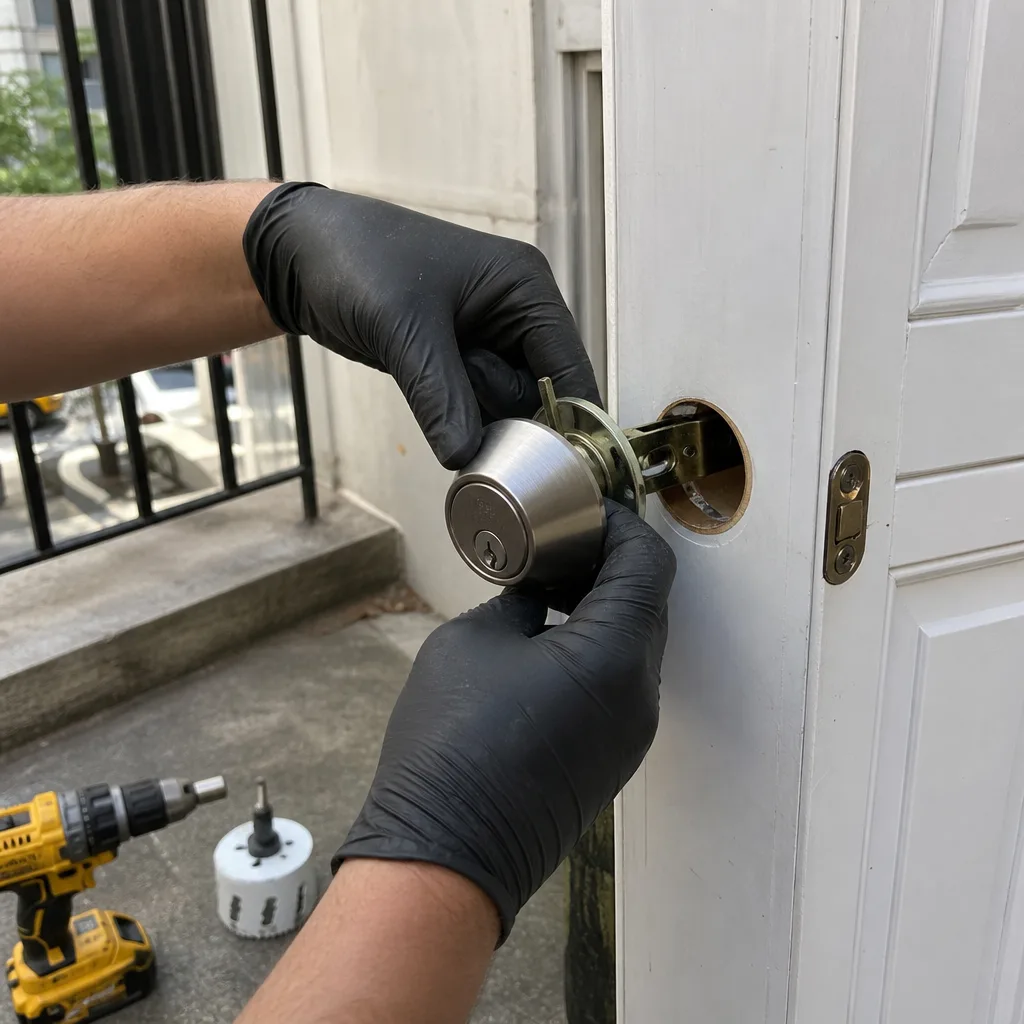
- Applying WD-40 as winter lubricant. The petroleum base thickens below 40°F and traps moisture. We’ve replaced hundreds of cylinders in January where this single error was the cause.
- Lubricating in cold weather. Below 50°F, graphite won’t distribute through pin chambers. The powder sits in the keyway and blows out with the next key insertion, providing no protection.
- Ignoring hinge wear until the door won’t close. By then, the latch bolt has been scraping the strike plate for months, damaging both components. Hinge maintenance is lock maintenance.
- Using water-based cleaners on exterior hardware. Residual moisture accelerates corrosion, especially in Manhattan’s salt-laden winter environment. Solvent-based contact cleaner is the correct product.
- Skipping the September audit because “everything works fine.” Moderate temperature masks problems that winter will expose. September is the only month to catch issues before they become emergencies.
- Failing to document key issuance. In Manhattan’s rental market, turnover is constant. Without a log, proving who held keys when becomes impossible.
- Assuming stainless steel is corrosion-proof. Grade 304 stainless corrodes in salt air within blocks of the Hudson or East River. Marine-grade 316 or protective coating is required for waterfront exposure.
When to Call a Professional
Some conditions require disassembly and specialized tools; others require expertise to diagnose without causing damage. Call a locksmith when: a key breaks in the cylinder (extraction without chamber damage requires specific picks and magnification); a deadbolt throws partially or with increasing effort (indicates frame shift, strike misalignment, or internal wear - continued forcing destroys the mechanism); electronic locks show intermittent function (battery, wiring, or module failure - diagnosis requires test equipment); or any lock has been tampered with or shows tool marks (preserve evidence, document with photos, replace if security is compromised).
We do not recommend disassembling a cylinder without training. The pin springs are under compression and will launch if the plug is removed incorrectly. Reassembly requires follower tools and a clean, organized workspace. The cost of professional service is consistently lower than the cost of cylinder replacement after DIY damage.
Novak Lock & Security Manhattan home offers free estimates in Manhattan. Call (862) 319-3759 to schedule a seasonal audit or discuss a maintenance schedule for your property.
Frequently Asked Questions
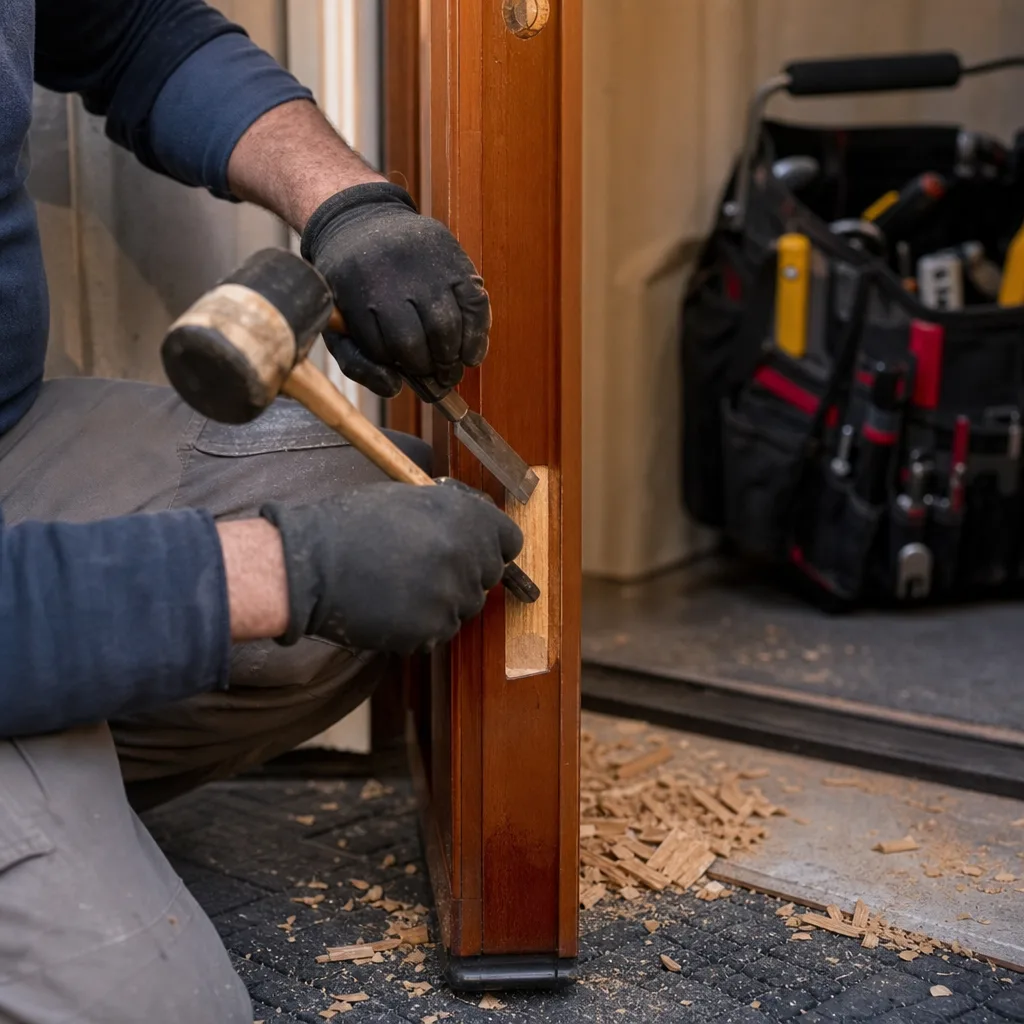
A seasonal maintenance visit for a typical Manhattan apartment or townhouse runs $150-$280, covering inspection, lubrication, adjustment, and documentation. Multi-point lock systems or high-security cylinders add $40-$90 per additional mechanism. We quote a firm price on the phone before dispatch, and Haven Standard Clause 1 prohibits any change at the door. Call (862) 319-3759 for an exact quote - estimates are free.
Yes. The price quoted is the price on the invoice. This rule has been in place since 2002 and is the foundation of our operation. The technician is contractually prohibited from changing the price after arrival. If conditions differ from the description, we stop, call the office, and obtain customer authorization for any scope change before continuing.
Emergency lockout response in Manhattan typically ranges from 20 to 45 minutes depending on traffic, time of day, and specific neighborhood. Calls are answered by a live person, 24/7, with no voicemail queue or callback window. The dispatcher provides an estimated arrival window and calls when the technician is en route.
Every technician is background-checked and uniformed, with a documented photo record left with the customer at job completion. This is procedure, not promise. We work to The Haven Standard, the quality framework shared across all ten Haven brands, with specific clauses governing pricing, documentation, and workmanship. Factory authorization for premium brands including Mul-T-Lock and Abloy requires manufacturer-specific training and recertification.
Manhattan’s climate produces four distinct stress cycles that affect lock hardware measurably: freeze-thaw expansion, salt particulate accumulation, humidity-related wood swelling, and thermal contraction. We’ve documented cylinder failures, frame misalignment, and corrosion patterns that correlate directly with seasonal conditions. Maintenance reduces emergency calls and extends hardware life; neglect produces predictable, expensive failures.
Do not force the key. Forcing a cold-stiffened cylinder shears pins or twists the key. Warm the key in your hand, insert slowly, and apply gentle turning pressure. If the lock still resists, the lubricant has failed or moisture has frozen in the chamber. Call for service - we carry solvent flushing equipment and can restore function without cylinder damage. Attempting to heat the lock with a flame damages finishes and may warp precision components.
Commercial buildings in Manhattan typically require more frequent service due to higher cycle counts and code requirements. Exit devices, access control readers, and master key systems benefit from quarterly inspection rather than seasonal. Our commercial locksmith in Manhattan services include customized maintenance agreements with scheduled documentation for insurance and regulatory compliance.
The Bottom Line
Manhattan’s climate is not gentle on lock hardware. The freeze-thaw cycle of winter, the salt and sand of spring, the humidity of summer, and the contraction of fall each produce distinct failure modes that respond to specific, timely maintenance. The right product in the wrong season is often worse than no product at all. A simple annual cycle - graphite before cold, cleaning after thaw, inspection before heat, audit before turnover - preserves security function and avoids emergency expense. For a printable task list, see our Commercial Locksmith Maintenance Checklist for Manhattan Homeowners. Document what you do; the record matters when warranty or insurance questions arise.
Written by Daniel Novak, Owner at Novak Lock & Security Manhattan, serving Manhattan since 2002. Explore more guides & resources on keeping your property secure year-round.