
Last updated September 25, 2026
Non-destructive entry first, always - and we re-key Schlage, Kwikset, and Baldwin locks on the spot while you watch
You get a price before we start. It does not change when we arrive. No surprises.
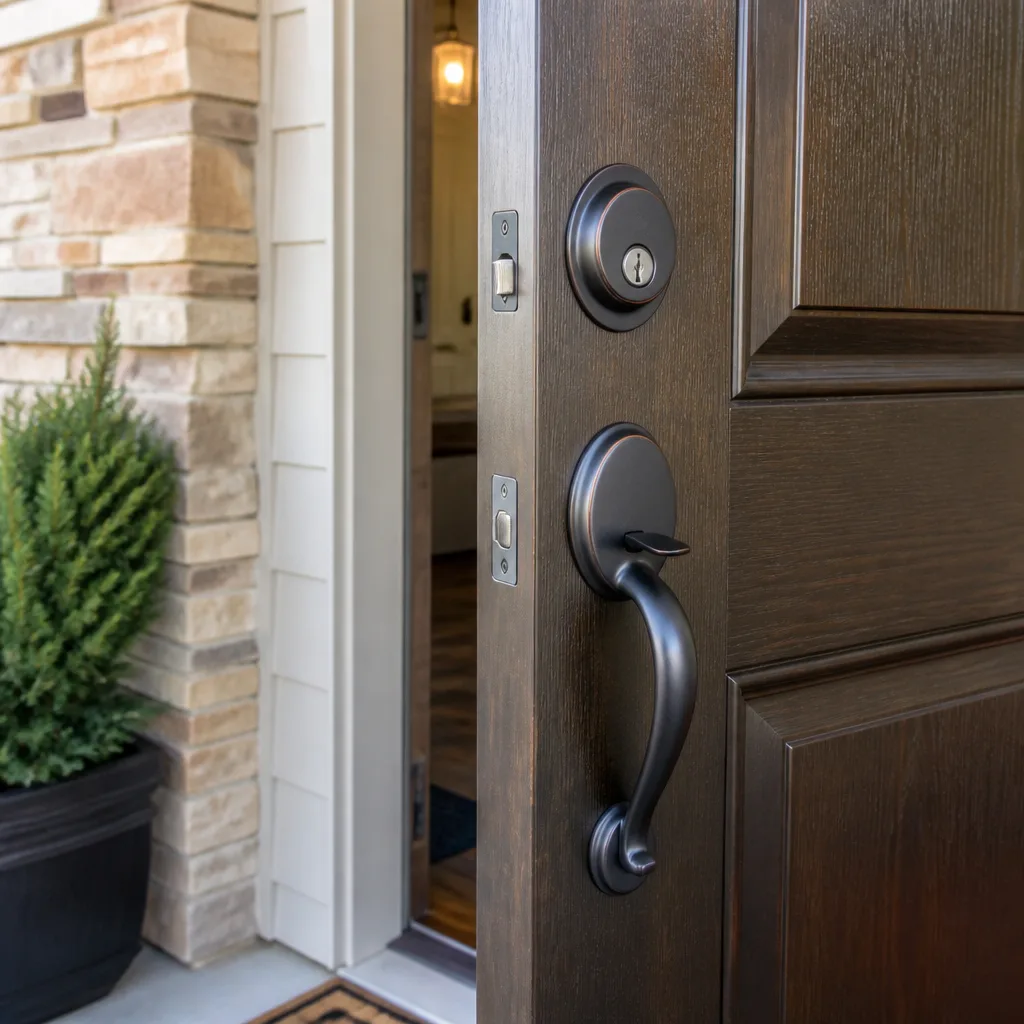
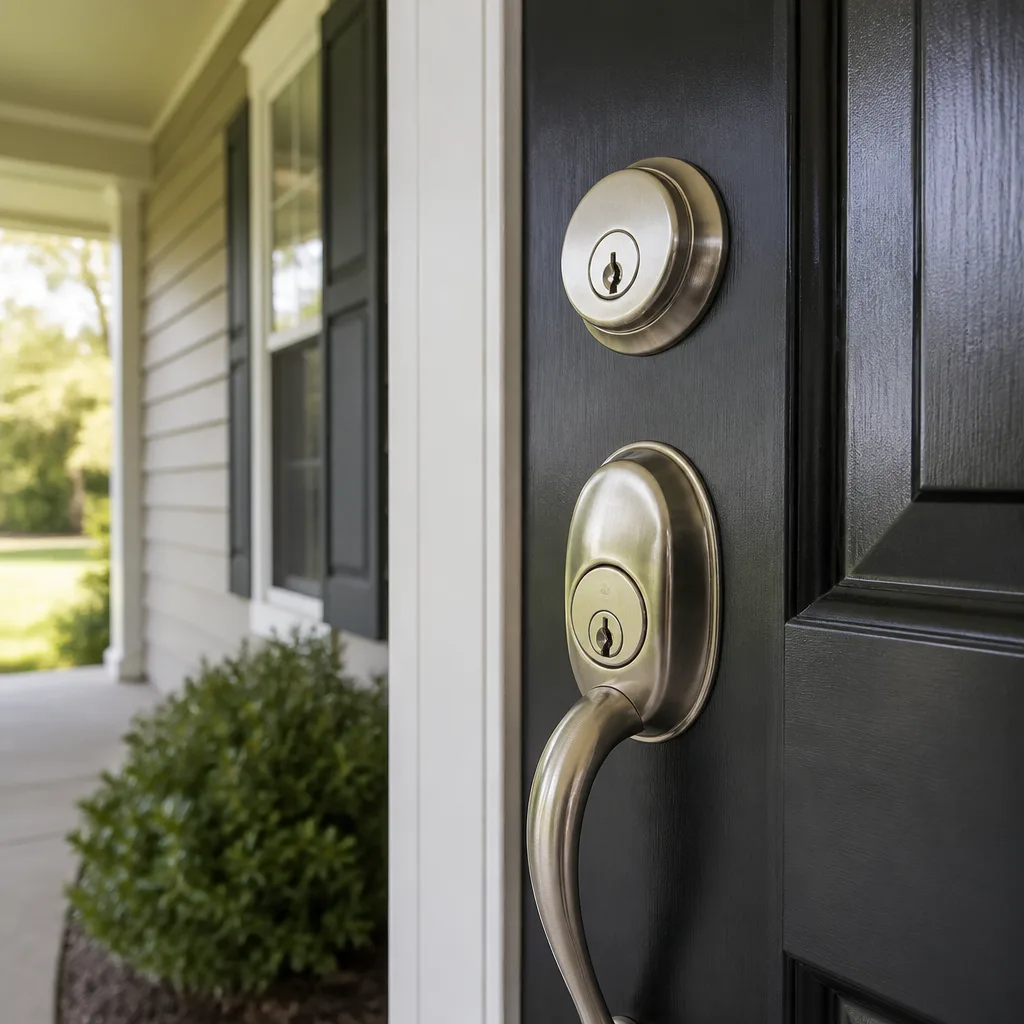
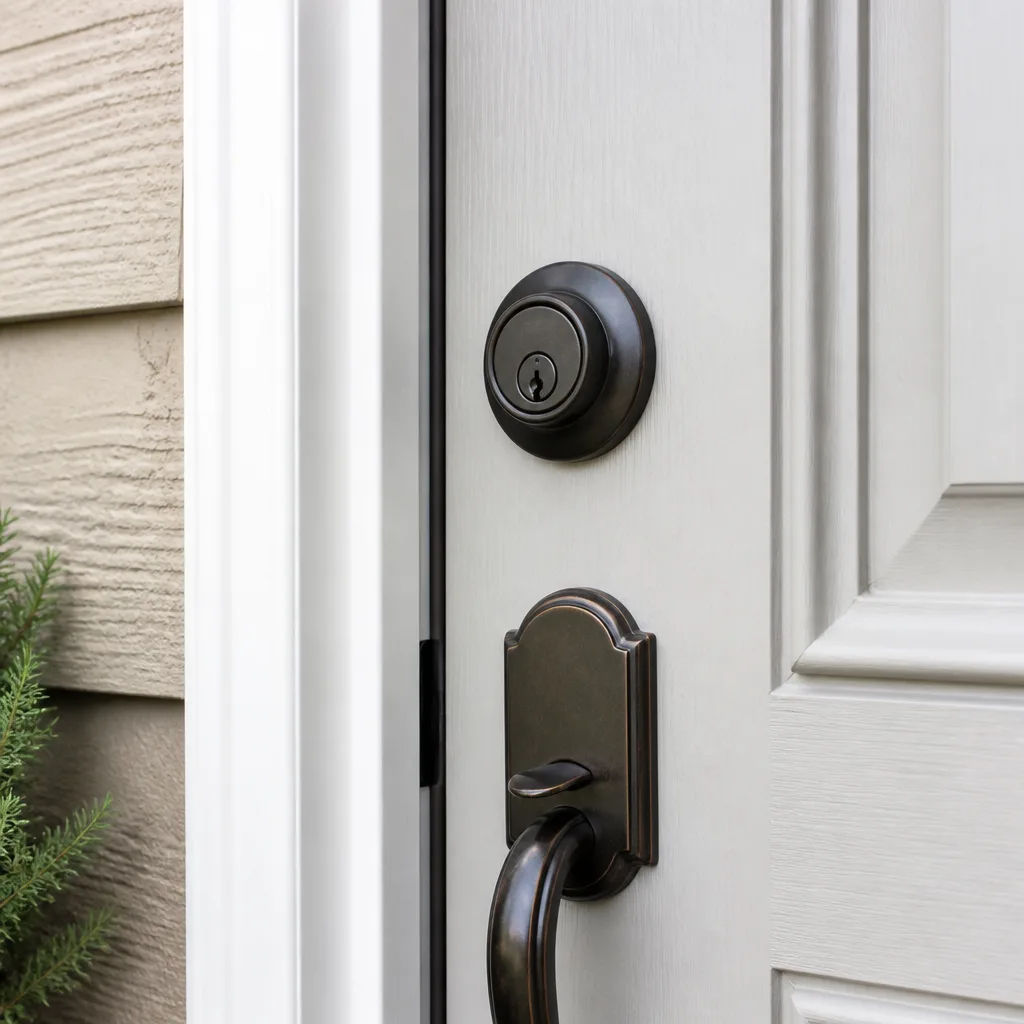
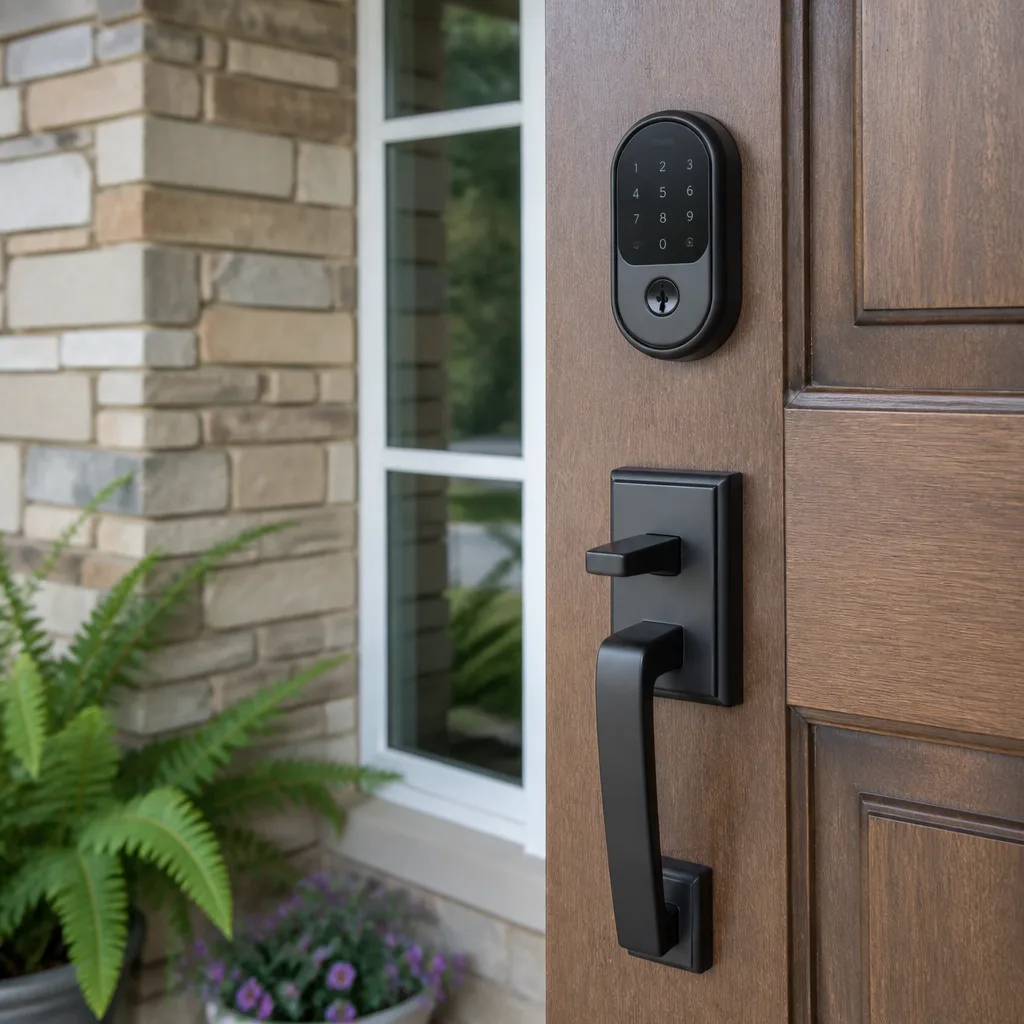
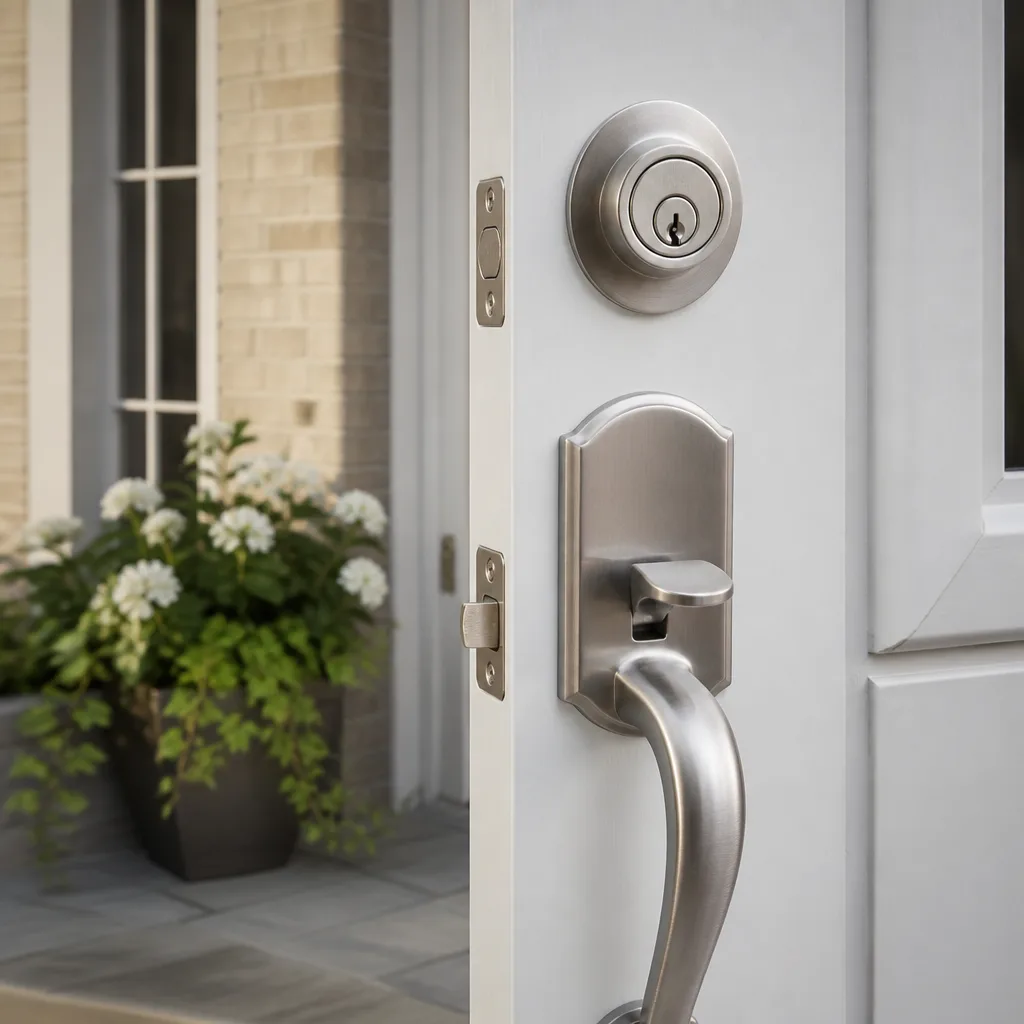
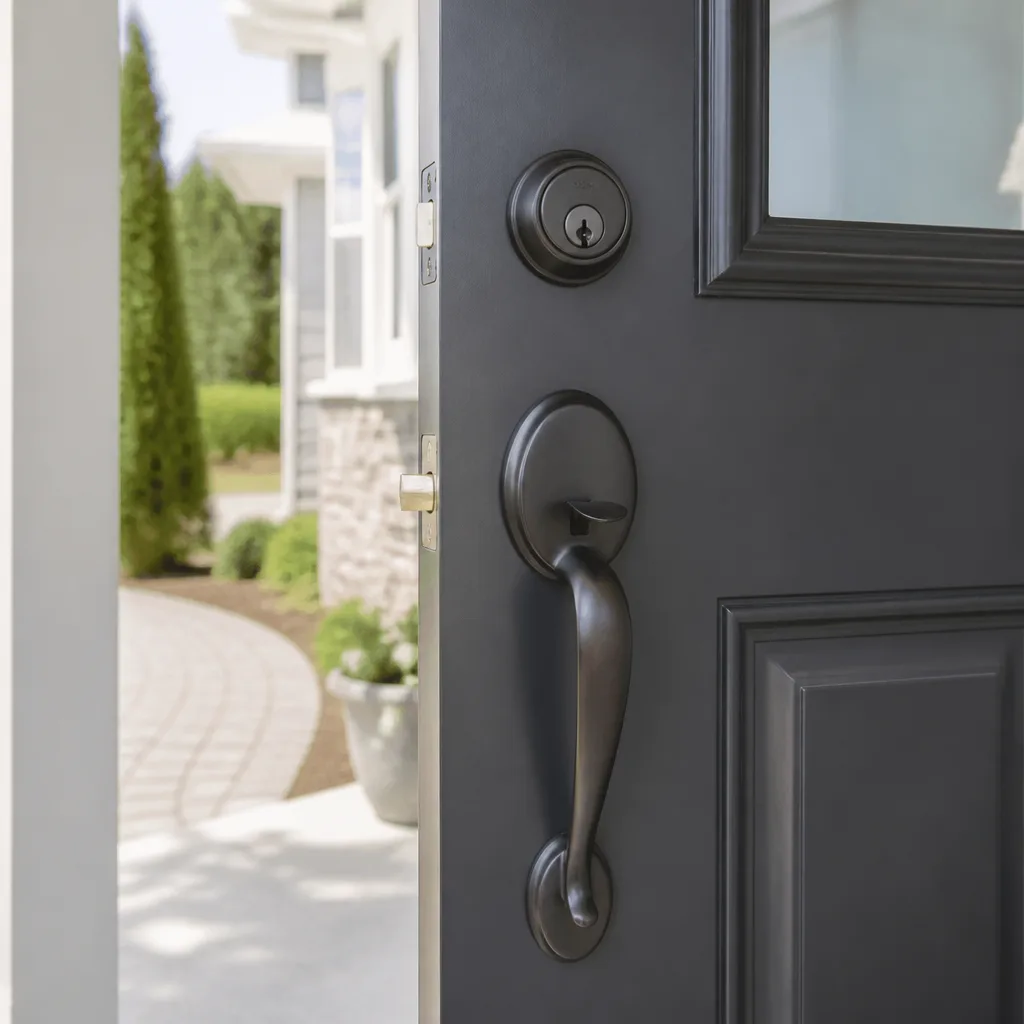
The Complete Guide to Locksmith in Manhattan
The NYC Department of Consumer and Worker Protection logged hundreds of locksmith complaints in a single recent year - nearly all of them traced back to one problem: the person who answered the phone was not the person who showed up at the door. In Manhattan, where co-op boards, doormen, and building superintendents create layers of access control most Americans never encounter, this bait-and-switch pattern is especially costly. This guide explains how Manhattan residents and property managers can verify who’s actually coming, what a legitimate quote covers, and how to read an invoice before paying it. For related reading, see our How to Hire a Locksmith Contractor in Manhattan: A Step-by-Step Guide.
Quick Answer
A professional locksmith in Manhattan is a licensed NYC Consumer Affairs contractor who quotes all charges in writing before dispatch, arrives as a uniformed employee (not a subcontractor), and provides a documented job record with part numbers and labor line items. Expect to pay $85-$150 for a standard lockout during business hours, $120-$220 for rekeying a residential cylinder, and $180-$400 for installing a new deadbolt with hardware, with after-hours rates running 25-50% higher. See our Locksmith Cost Breakdown: The Manhattan Homeowner’s Reference for 2026 for full pricing context. Verify the license number through the NYC DCWP license check portal before booking.
Table of Contents

- How to Verify a Locksmith’s NYC License (And Why State Certificates Don’t Count)
- Local Dispatch vs. Lead-Gen Aggregator: How to Tell From One Phone Call
- What a Legitimate Written Quote Covers in Manhattan
- Manhattan Neighborhood Considerations: Co-ops, Condos, and Common-Entry Doors
- How to Read a Locksmith Invoice After the Job
- Locksmith Services and Pricing in Manhattan
- Lock Brands and Security Grades: What Manhattan Buildings Require
- Common Mistakes to Avoid
- When to Call a Professional
- Frequently Asked Questions
- The Bottom Line
How to Verify a Locksmith’s NYC License (And Why State Certificates Don’t Count)
New York State does not require a specific locksmith license. The credential that matters in Manhattan is issued by the NYC Department of Consumer and Worker Protection (DCWP), formerly the Department of Consumer Affairs. This is a local license, not a state certificate, and the distinction is critical.
A DCWP Home Improvement Contractor license is required for any lock work on residential property in New York City. The license number format is a six-digit number, often displayed as “HIC” followed by the digits. You can verify it at the NYC DCWP license check portal. The search will show the license status (active, inactive, or revoked), the business name on file, and any complaint history.
Here’s what we’ve found in our experience: many out-of-state call centers advertise “licensed and insured” but carry only a general business certificate from Albany or a home state. That certificate permits them to exist as a corporation. It does not permit them to perform lock work on your door in the West Village or Upper East Side. When a co-op board or building manager asks for proof of licensing - and many Manhattan buildings do - a state certificate gets rejected.
Three steps to verify before you book:
- Ask for the six-digit DCWP HIC license number on the phone. A legitimate Manhattan locksmith has it memorized or can read it from the wall where it’s posted.
- Cross-check the number at the NYC DCWP portal. Confirm the business name matches the one on the website or advertisement.
- Ask whether the technician who arrives will be a direct employee or a subcontractor. The DCWP license holder is responsible for employee work. Subcontractor arrangements create liability gaps that building insurance often excludes.
At Novak Lock & Security Manhattan home, our DCWP license is verified on request, and every technician is a direct employee covered under our license and workers’ compensation policy. Haven Standard Clause 1 applies: the price quoted on the phone is the price on the invoice, with no technician discretion to modify it.
Local Dispatch vs. Lead-Gen Aggregator: How to Tell From One Phone Call
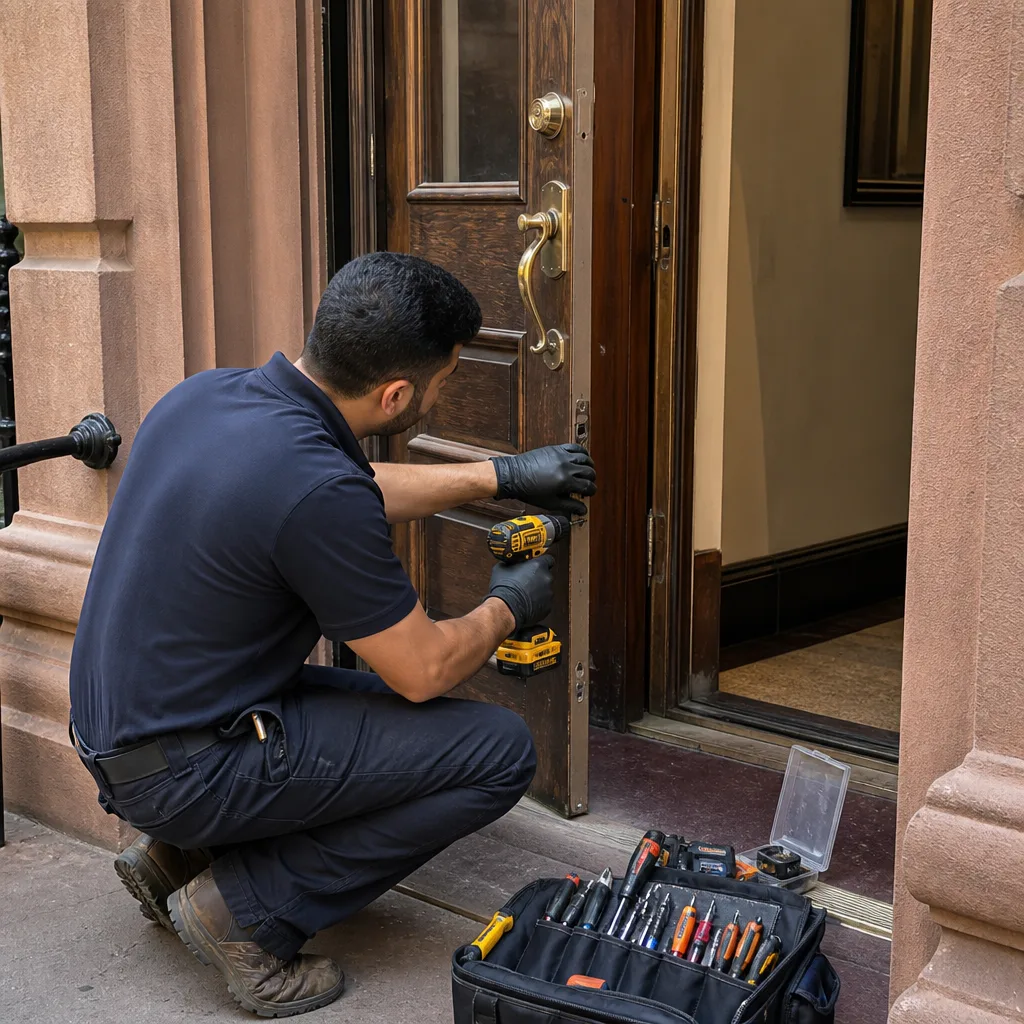
The locksmith industry in Manhattan is split between two models that look identical online. One sends an employee in a marked van. The other sells your phone number to the lowest-bidding subcontractor, who may arrive in an unmarked car from New Jersey or Long Island with no prior relationship to the company you called.
The aggregator model works like this: you search “locksmith Manhattan NY,” click a polished website with a local phone number, and speak to a call center in Florida or Arizona. They quote a low “service call” fee of $19 or $29. That fee covers only the technician’s arrival. The technician, who paid for your lead, then quotes the actual price on your doorstep - often $300-$800 for work that should cost $150. The NYC DCWP complaint data shows this pattern in the majority of disputed cases.
Five signs you’re speaking to an aggregator, not a local shop:
- The dispatcher cannot name a specific Manhattan neighborhood or give cross-street references without pausing to search.
- The quote is verbal only, with a promise that “the technician will assess and give you the exact price on site.”
- The business address on the website is a virtual office or UPS store, not a service location with tools and inventory.
- The phone number is toll-free or out-of-state, with no local Manhattan exchange (212, 646, 917, or 332).
- When asked about brand authorization - Medeco, Mul-T-Lock, Schlage - the dispatcher refers to “our partners” or “certified affiliates” rather than naming their own technicians’ factory training.
A local dispatch operation answers differently. At Novak Lock & Security Manhattan, the person who answers has dispatched technicians to the Financial District at 2 AM, to pre-war co-ops on Central Park West, and to new construction on the Far West Side. They can tell you whether your building’s Baldwin hardware requires a specific keyway, or whether a Medeco cylinder will fit your existing Schlage deadbolt without modification. That knowledge is not in a script. It’s from handling 60,000+ locks, keys, and systems since 2002.
Our phone number is (862) 319-3759. It rings to our Manhattan dispatch, answered by a live person, 24 hours a day. No voicemail queue. No callback window.
What a Legitimate Written Quote Covers in Manhattan
The root cause of most locksmith billing disputes in Manhattan is not the final amount. It’s the absence of a written quote that itemizes every component before work begins. A verbal quote - “probably around two hundred” - leaves both parties with different memories and no documentation when the invoice reads $447.
A legitimate written quote in Manhattan contains four mandatory line items:
| Line Item | What It Covers | Typical Manhattan Range |
|---|---|---|
| Service Call Fee | Travel to location, diagnostic time, first 30 minutes on site | $45-$85 (business hours); $75-$140 (after hours) |
| Labor | Time required for installation, rekeying, or repair beyond initial diagnostic | $65-$125 per hour; most residential jobs 0.5-1.5 hours |
| Parts / Hardware | Lock cylinders, deadbolts, strike plates, key blanks, specific to brand and security grade | $30-$280 depending on grade (Kwikset entry to Medeco high-security) |
| After-Hours Differential | Premium for nights, weekends, holidays - must be stated as percentage or fixed adder | 25-50% of labor and service call; 100% on major holidays |
Haven Standard Clause 1: the price on the phone is the price on the invoice. At Novak Lock & Security Manhattan, the dispatcher quotes a firm total, and the technician is contractually prohibited from changing it at the door. This rule has been in place since 2002. The written quote is emailed or texted before dispatch. The invoice matches it exactly.
What a written quote does not include: “trip charges” added after arrival, “emergency fees” invented on site, or hardware upgrades presented as mandatory when the original specification would have sufficed. If a technician claims your lock “can’t be rekeyed” and must be replaced, ask to see the internal mechanism and request a second opinion. We provide free second opinions on any written estimate from a competitor.
Manhattan Neighborhood Considerations: Co-ops, Condos, and Common-Entry Doors

Manhattan’s housing stock creates locksmith scenarios rare elsewhere in the country. A single building may contain three distinct access-control zones: the street door (building-owned), the elevator or stairwell (building-owned), and the apartment entrance (unit-owned). Each zone has different rules about who can perform work and what documentation is required.
Co-operative apartments (co-ops) are especially stringent. The co-op board owns the building and the doors. Most require:
- A current DCWP HIC license, with certificate of insurance naming the building as additional insured
- Workers’ compensation coverage for all technicians
- Advance notice to the superintendent or managing agent
- Use of specific hardware brands approved by the board (often Schlage or Baldwin for aesthetic consistency)
We’ve serviced pre-war co-ops on the Upper East Side where the original mortise locks from the 1920s required custom tailpiece fabrication. The board’s alteration agreement specified that no visible hardware could be changed without architectural committee approval. A subcontractor with a drill and a bag of deadbolts would have destroyed the door’s integrity and violated the proprietary lease. For help deciding when expert help is essential, read DIY vs Professional Locksmith: The Manhattan Homeowner’s Decision Guide.
Condominiums vary by building. The unit owner typically controls the apartment door, but common-area work requires board approval. In newer construction in Hudson Yards or the Financial District, we’ve found that developers installed entry-grade Kwikset or Yale hardware during construction that fails to meet the insurance requirements of premium carriers. Owners discover this only when filing a claim or refinancing.
Rental buildings present a different problem. Superintendents often maintain master key systems with strict key control. An unauthorized rekey by an unlicensed technician can void the building’s master key hierarchy, requiring expensive system-wide recoding. Always confirm with building management before altering any lock in a rental.
Residential Locksmith in Manhattan covers apartment-specific services in more detail.
How to Read a Locksmith Invoice After the Job
A proper invoice is a document of record, not just a payment request. In Manhattan, where disputes often escalate to DCWP complaints or small claims court, the invoice’s detail level determines whether you have a case.
Every legitimate locksmith invoice should contain:
- Business name and DCWP HIC license number - prominently displayed, matching the license you verified
- Technician name and arrival/departure times - documenting time on site versus labor charged
- Part numbers and descriptions - not “new lock” but “Schlage B60N deadbolt, single cylinder, satin nickel, keyed alike to existing”
- Labor line items with rates and durations - “Rekey 3 cylinders: 1.0 hr @ $95/hr = $95”
- Service call fee as separate line item - showing it was not buried in labor
- Subtotal, applicable sales tax, and total - NYC sales tax applies to parts and materials, not labor
- Payment method and transaction ID - for your records and any dispute
The documented photo record is equally important. At Novak Lock & Security Manhattan, every visit concludes with a photographic record of the completed work, including the installed hardware, key codes (masked for security), and the technician’s uniformed presence. This record is left with the customer and archived internally. It is standard procedure, not an upgrade.
If your invoice lacks part numbers, shows rounded labor times (“1 hour” exactly for a 23-minute job), or combines all charges into a single “locksmith services” line, you have received documentation insufficient for warranty claims, insurance purposes, or resale disclosure. Request an itemized revision before paying.
Locksmith Services and Pricing in Manhattan
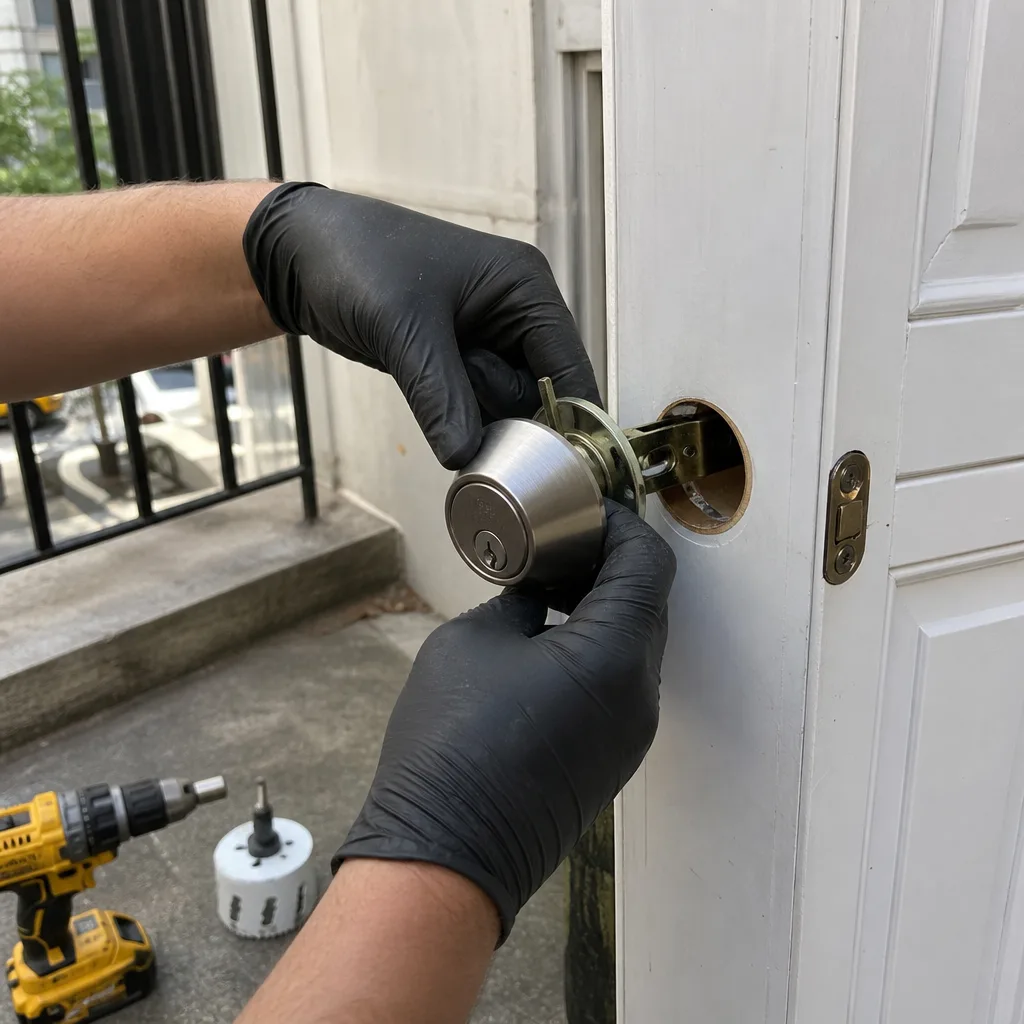
Manhattan’s density and building types create a service mix weighted toward emergency response and security upgrades rather than routine maintenance. Here’s what we handle most often, with pricing ranges observed across the borough.
Emergency Lockout Response
Residential lockouts in Manhattan average $85-$150 during business hours (7 AM-7 PM weekdays). After-hours, weekend, and holiday rates run $130-$220. The variation depends on lock type: a standard Kwikset or Schlage knob set opens faster than a high-security Medeco deadbolt with pick-resistant pins. Automotive lockouts for modern keyless-entry vehicles start higher, at $120-$200, due to the specialized tools required to access the interior release without damaging the door seal or airbag sensors.
We do not quote “$19 service calls.” That figure represents the lead-generation fee, not the total. Our dispatchers quote the full price to complete the opening before any technician is sent.
Rekeying
Rekeying changes the internal pin configuration so old keys no longer operate the lock. In Manhattan, this is the most common post-move or post-tenant service. Pricing:
- Standard residential cylinder (Kwikset, Schlage): $25-$45 per cylinder, plus service call
- High-security cylinder (Medeco, Mul-T-Lock): $55-$95 per cylinder, due to specialized key blanks and factory authorization requirements
- Master key system rekey: quoted per hierarchy level, typically $45-$85 per cylinder depending on complexity
Lock Installation and Replacement
New deadbolt installation in Manhattan runs $180-$400 including hardware, with the range reflecting security grade and door condition. Pre-war doors in Greenwich Village or Morningside Heights often require strike plate mortising or jamb reinforcement that new construction in Battery Park City does not. We assess this during the initial quote and note it in writing.
Commercial Locksmith in Manhattan details master key systems, panic hardware, and code-compliant installations for business properties.
Lock Brands and Security Grades: What Manhattan Buildings Require
Lock hardware in Manhattan spans four security grades established by ANSI/BHMA (American National Standards Institute / Builders Hardware Manufacturers Association). Most residents have never seen these grades on a package, but they determine whether your lock meets insurance requirements and building code.
Grade 1: Commercial heavy-duty. Highest cycle count (800,000+ operations), strongest bolt projection, pick and drill resistant. Required by many Manhattan co-op boards for common-entry doors and by commercial insurers for business premises. Brands: Medeco, Mul-T-Lock, Schlage L-series, Yale 5400LN.
Grade 2: Light commercial / heavy residential. Suitable for most apartment doors in Manhattan. Cycle count 400,000+. Brands: Schlage B60 deadbolt, Baldwin estate series, Kwikset 980.
Grade 3: Residential standard. Minimum acceptable for single-family homes, increasingly rejected by Manhattan co-ops and premium insurers. Cycle count 200,000+. Common in new construction cost-cutting.
Grade 4 and below: Not recognized by ANSI/BHMA. Often found in hardware store bargain sets. We replace these routinely after break-ins or insurance non-renewal notices.
Factory authorization matters for high-security brands. Medeco and Mul-T-Lock restrict key blank distribution to authorized dealers. If your locksmith cannot cut a replacement key on site, they are not authorized. Novak Lock & Security Manhattan maintains factory authorization for Medeco, Mul-T-Lock, Abloy, Baldwin, and Schlage. We stock key blanks and can cut and program on every service vehicle.
Access Control Systems in Manhattan covers electronic credentials, key fobs, and building-wide entry management.
Common Mistakes to Avoid
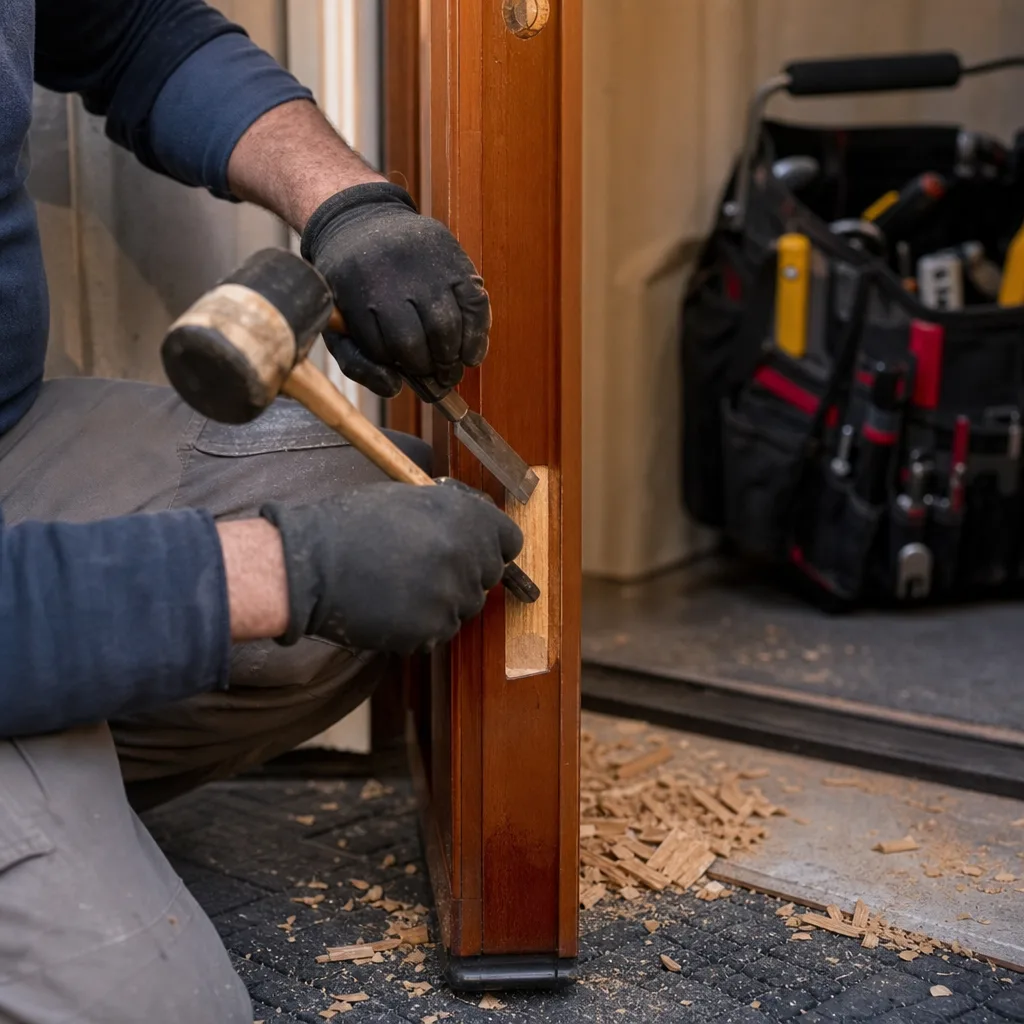
- Booking based on Google Maps proximity alone. Aggregators exploit map listings with fake addresses near your search location. Verify the physical address exists and matches the DCWP license.
- Accepting a verbal quote for after-hours work. The after-hours differential is where most disputes arise. Get the percentage or fixed adder in writing before agreeing to dispatch.
- Ignoring key control documentation. In Manhattan co-ops, unauthorized duplication of building keys can trigger lease violation proceedings. Ensure rekeying includes a registered key code with restricted duplication.
- Assuming all “licensed” credentials are equal. A state business certificate is not a DCWP contractor license. Ask specifically for the six-digit HIC number.
- Paying before reviewing the invoice against the quote. Haven Standard Clause 1 protects against this, but many customers feel pressured at the door. Step inside, compare the document, then pay.
- Neglecting to request the photo record. Without photographic documentation of installed hardware, warranty claims and insurance disputes become your word against the technician’s.
- Using unlicensed locksmiths for common-area work. If a subcontractor damages a co-op lobby door or elevator access panel, the building’s insurance may deny coverage, and you may face assessment liability.
When to Call a Professional
Call a licensed locksmith when you’re locked out, when keys are lost or stolen, when moving into a new apartment (rekey immediately - you cannot know who has copies), when a lock malfunctions or feels loose, or when your insurance policy or co-op board requires a security upgrade to maintain coverage. For commercial properties, schedule a security audit when employee turnover exceeds your key control tracking, or when access logs show unexplained entries. Browse more guides & resources on building security and access control.
Novak Lock & Security Manhattan offers free estimates in Manhattan. Our dispatchers quote firm prices in writing before any technician is sent, and every job is backed by the 365-Day Done Right Promise. Call (862) 319-3759 to speak with a live person now.
Frequently Asked Questions
A standard residential lockout in Manhattan typically costs $85-$150 during business hours and $130-$220 after hours. Rekeying runs $25-$95 per cylinder depending on lock grade, and new deadbolt installation with hardware averages $180-$400. Call (862) 319-3759 for an exact quote - estimates are free, and the price quoted is the price on the invoice.
At Novak Lock & Security Manhattan, yes. Haven Standard Clause 1 prohibits our technicians from changing the quoted price at the door. The dispatcher emails or texts a written quote before dispatch, and the invoice matches it exactly. This rule has been in place since 2002.
Ask for the six-digit DCWP HIC license number and verify it at the NYC DCWP license check portal. A state business certificate is not sufficient for lock work in New York City. The license number should match the business name on the website and invoice.
Only with board approval and proper documentation. Most Manhattan co-ops require a DCWP-licensed contractor with certificate of insurance naming the building, plus advance notice to the superintendent. Unauthorized work on common-entry doors can violate your proprietary lease.
Rekeying changes the internal pins so old keys no longer work; the lock hardware stays in place. Replacing removes the entire lock and installs new hardware. Rekeying is faster and costs less when the existing lock is sound and meets your security needs. We assess condition and grade before recommending either.
Emergency response times in Manhattan range from 20 to 45 minutes depending on traffic, time of day, and your specific neighborhood. Our dispatchers provide an estimated arrival window when you call, updated if conditions change. Call (862) 319-3759 for current availability.
The Bottom Line
Manhattan’s locksmith market rewards verification and punishes haste. The license that matters is local, not state. The quote that protects you is written, not verbal. The technician who arrives should be an employee, not a stranger subcontractor. And the invoice you pay should itemize every part, every minute, and every charge - with a photo record to match. These standards are not excessive. They are the minimum for a trade where the person you let through your door holds the tools to your security.
Since 2002, Novak Lock & Security Manhattan has operated under a single rule: every job starts with a written price and ends with a documented record. No exceptions. No bait-and-switch. The 365-Day Done Right Promise applies to every lock installation, rekey, and emergency call we handle in Manhattan.
Call (862) 319-3759 for a free estimate. A live person answers, 24 hours a day.
Written by Daniel Novak, Owner at Novak Lock & Security Manhattan, serving Manhattan since 2002.