
Last updated September 25, 2026
Non-destructive entry first, always - and we re-key Schlage, Kwikset, and Baldwin locks on the spot while you watch
You get a price before we start. It does not change when we arrive. No surprises.
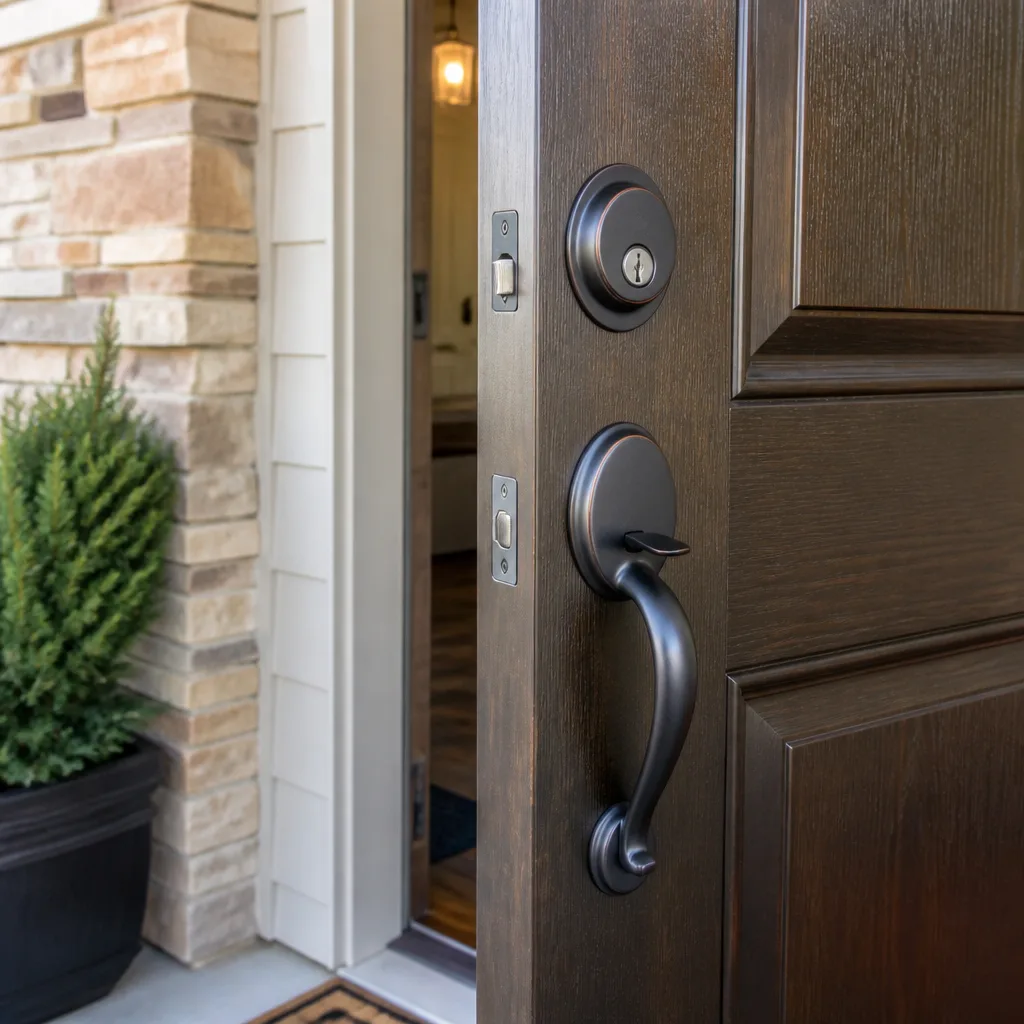
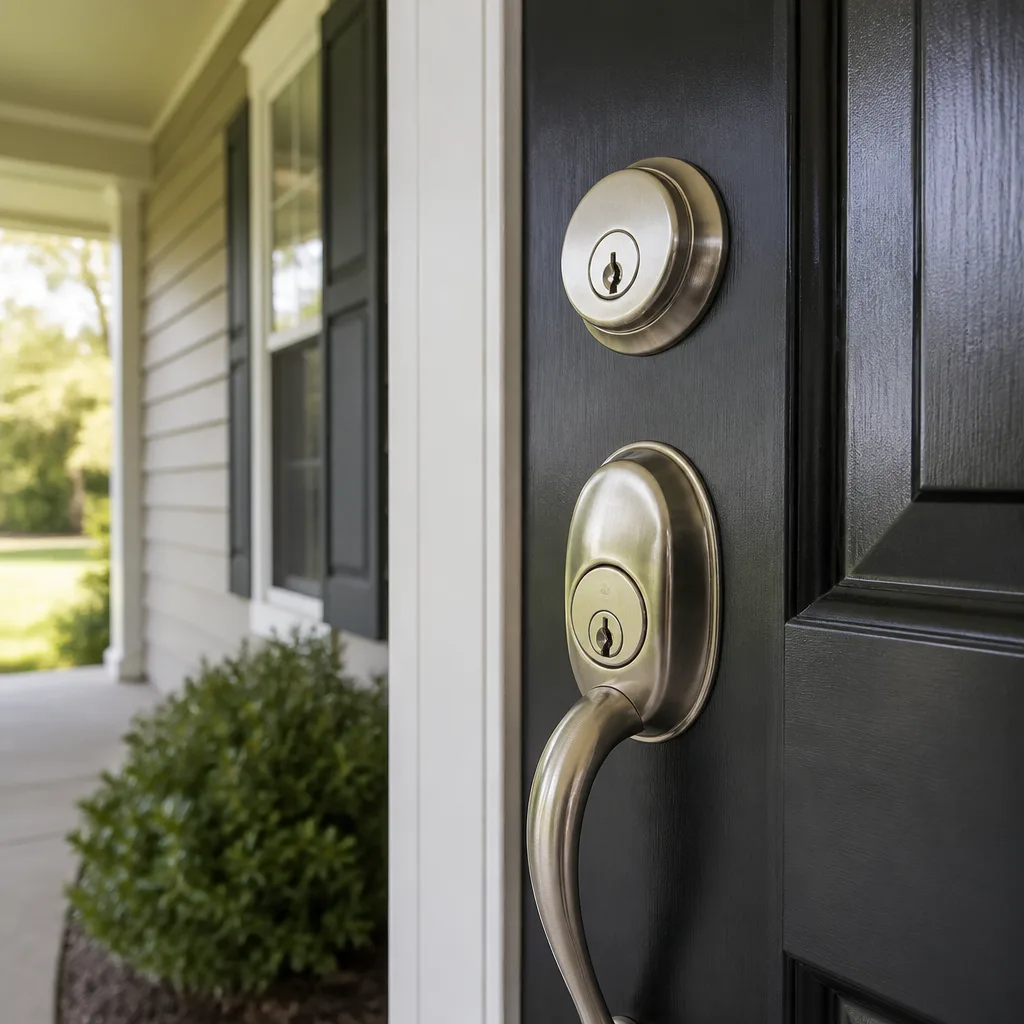
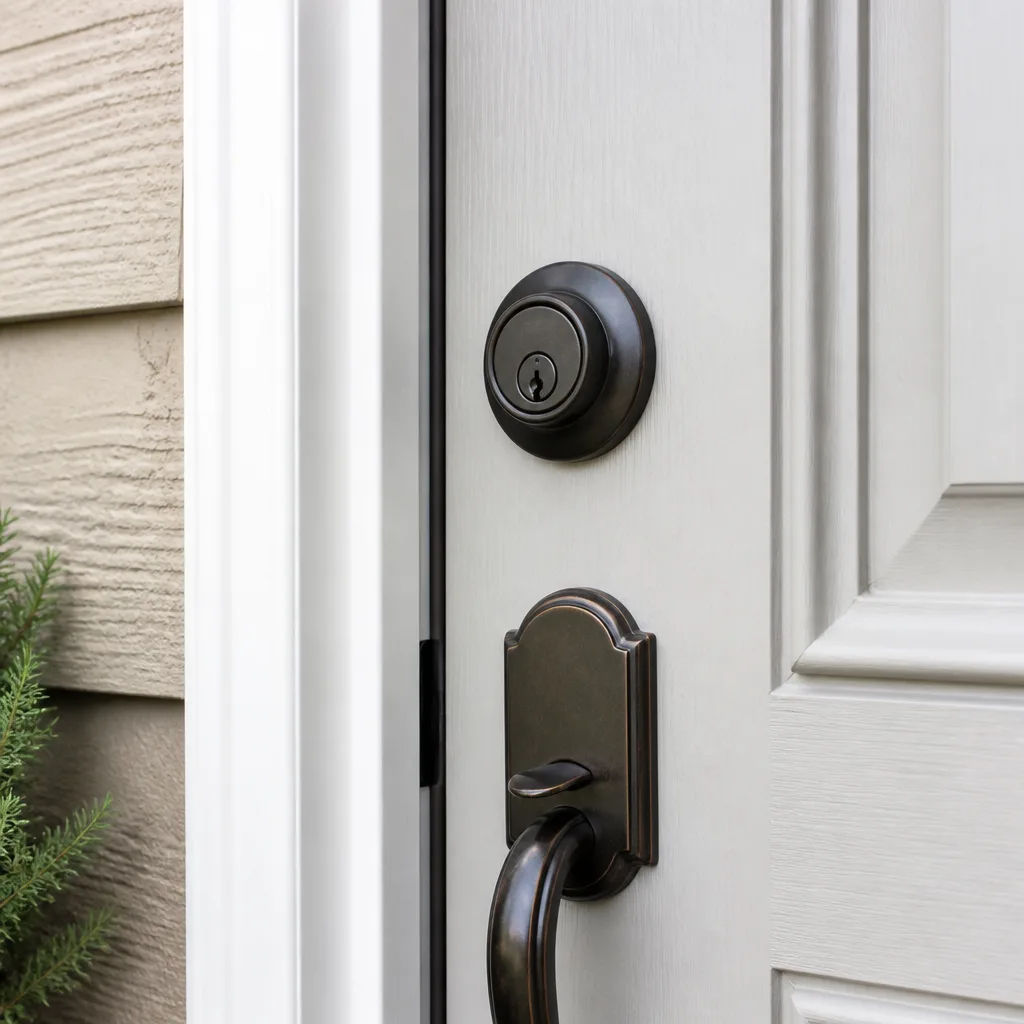
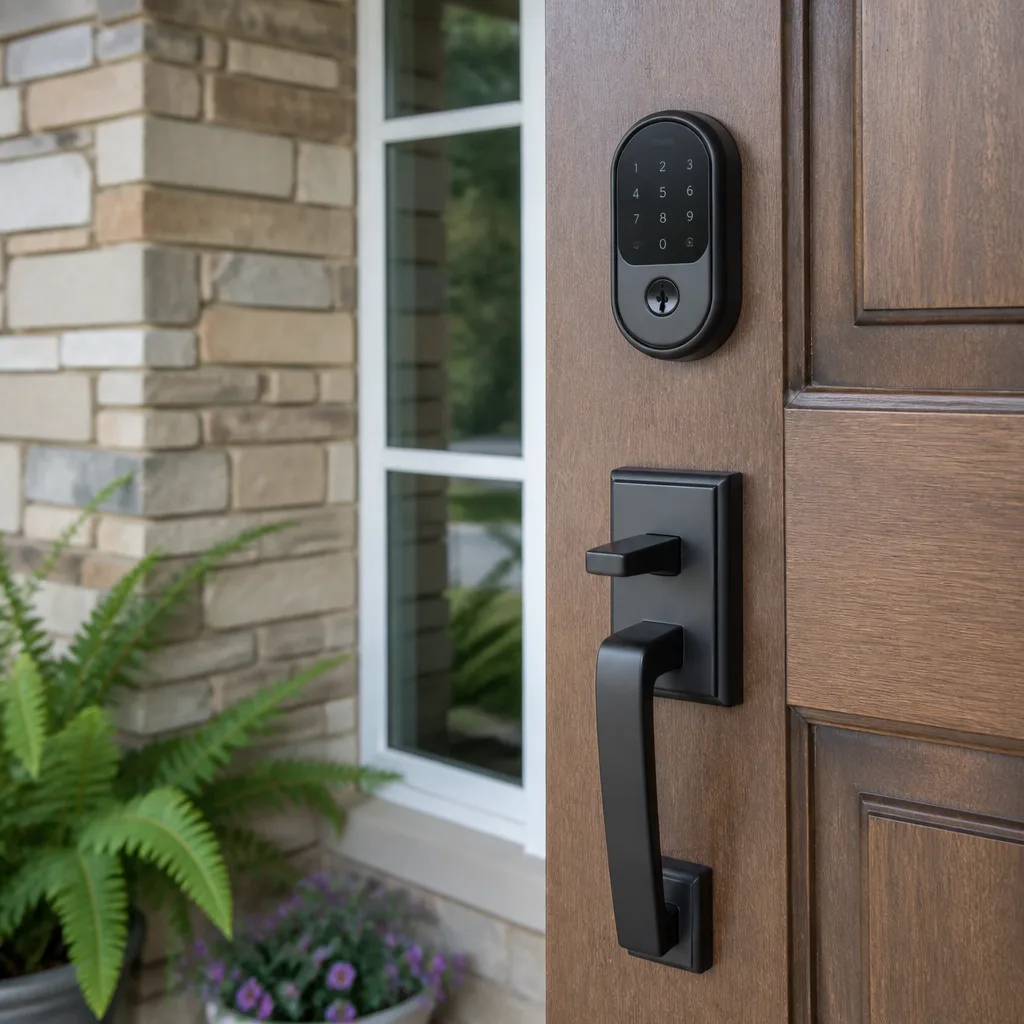
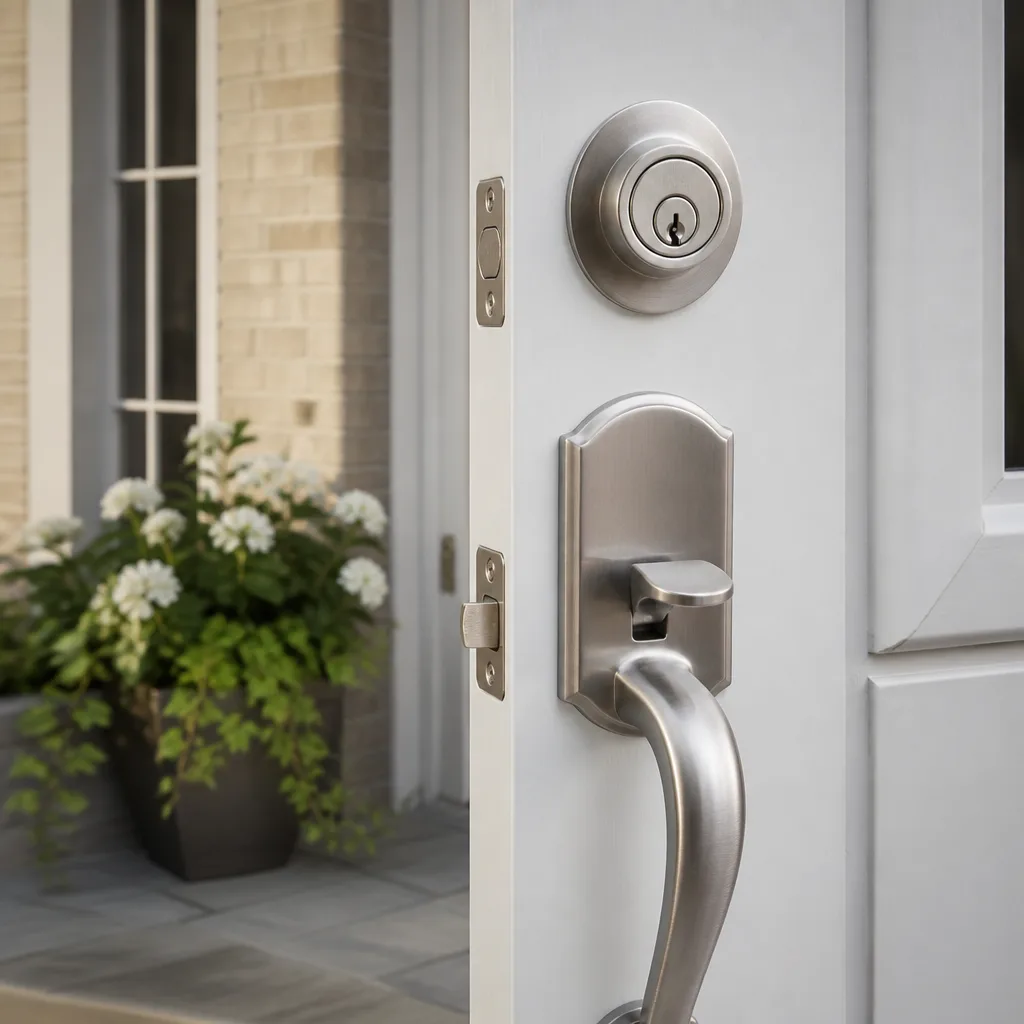
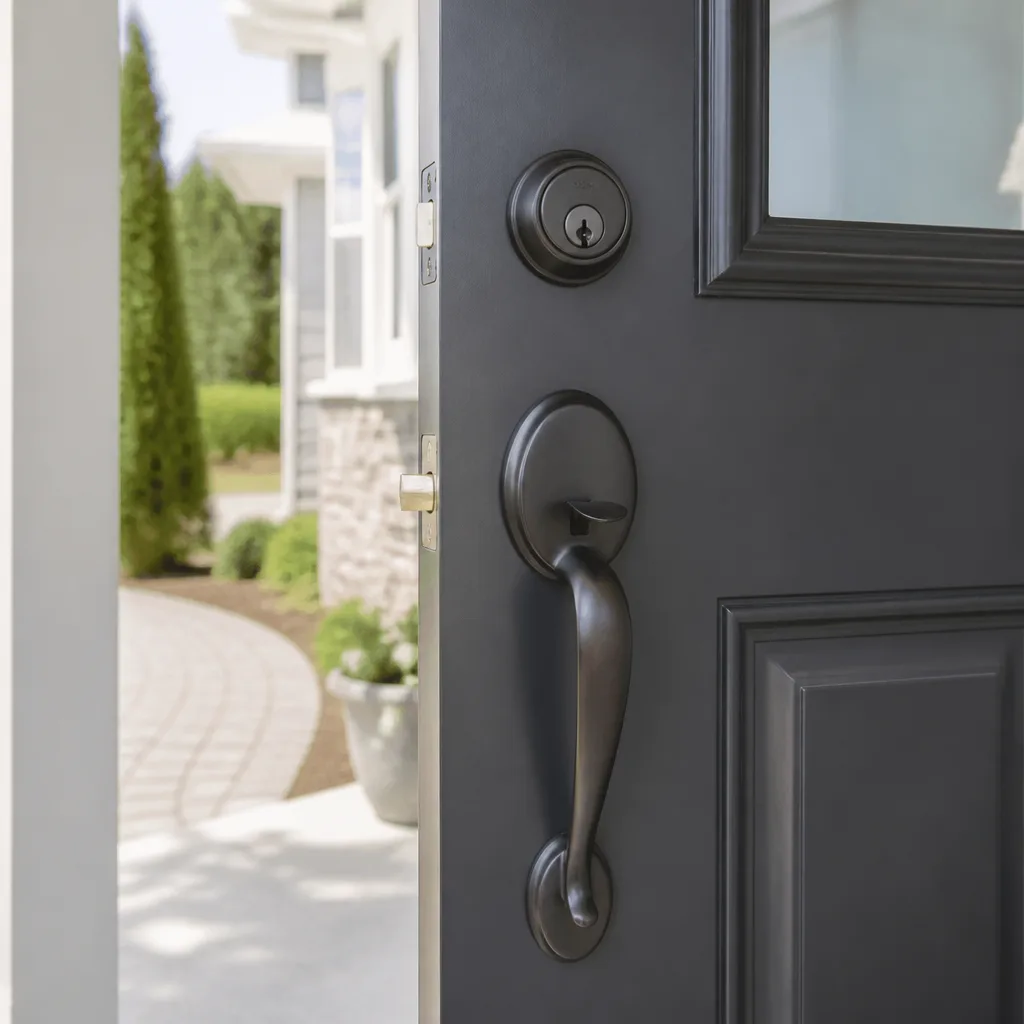
Locksmith Warning Signs: A Manhattan Homeowner’s Reference Guide
The Federal Trade Commission receives more complaints about locksmith fraud than about any other home service category except roofing. In Manhattan, where the average emergency lockout response time is under 25 minutes, that speed becomes a weapon in the wrong hands. The bait-and-switch playbook has four steps, and step three, drilling your lock cylinder to justify a higher price, only happens after step two: refusing to honor the phone quote. Knowing step two lets you stop it before step three. This guide maps every warning sign across the transaction, from the first Google search to the final invoice, so you can read it now and recognize it then. For a broader overview of locksmith services in the city, see The Complete Guide to Locksmith in Manhattan.
Quick Answer
The warning signs of a fraudulent locksmith operation follow a documented pattern: phone quotes given as vague ranges rather than fixed totals, technicians who arrive in unmarked vehicles without company ID, immediate claims that your lock must be drilled, and handwritten invoices that exceed the quoted price. In Manhattan, you can verify legitimacy in under two minutes by checking the NYC Department of Consumer Affairs license number against the business name on the van and invoice. Business owners should also consult our Commercial Locksmith Maintenance Checklist for Manhattan Homeowners for proactive security planning.
Table of Contents

- Phone Quote Warning Signs: What You Hear Before Anyone Arrives
- Arrival Red Flags: The First 60 Seconds at Your Door
- The Drill Scam: How Bait-and-Switch Operators Manufacture Costs
- Invoice Manipulation: Spotting Fraud in the Final Bill
- The Two-Minute On-Site Verification Checklist
- After a Bad Experience: Documentation, Disputes, and Official Complaints
- Choosing a Legitimate Manhattan Locksmith: What to Demand Up Front
- Common Mistakes to Avoid
- When to Call a Professional
- Frequently Asked Questions
Phone Quote Warning Signs: What You Hear Before Anyone Arrives
The fraud starts on the phone. Not at your door. The moment you search “locksmith near me” in Manhattan, you enter a marketplace where paid ads outrank organic results by roughly three to one, and many of those ads lead to dispatch centers in other states. The phone quote is where legitimate operators and bait-and-switch operations diverge, and the differences are specific enough to document.
The Range Quote Trap
A legitimate locksmith quotes a fixed price for a defined scope. “Lockout service, Manhattan, standard deadbolt: $95, total.” A fraudulent operation quotes a range. “$15 service fee plus $35 and up for the labor.” The “and up” is the mechanism. In our experience, that $50 opening gambit becomes $350 at the door, with the technician citing “high-security lock,” “after-hours surcharge,” or “drilling required.”
The FTC has documented this pattern nationally. In Manhattan, the NYC Department of Consumer Affairs has issued repeated warnings about the same structure. The range quote serves two purposes: it gets the technician dispatched, and it creates psychological anchoring. You heard $50. You’re now negotiating against that number, not against market reality.
Refusal to Name a Total Before Arrival
If the dispatcher cannot or will not state a complete price including all fees, taxes, and labor, the business model depends on escalation at the door. Ask directly: “What is the total amount I will pay, stated in dollars, before any work begins?” If the answer includes “it depends on what we find,” you are not speaking with a locksmith. You are speaking with a sales funnel.
No Verifiable Business Address
Ask where the technician is dispatched from. A legitimate Manhattan locksmith has a physical location, a warehouse, a storefront, or a registered commercial address. A fraudulent operation uses a mail drop, a virtual office, or no address at all. In Manhattan, where commercial real estate is expensive, the absence of a verifiable address is itself a signal. The Novak Lock & Security Manhattan home base is a documented facility; customers who ask receive the street address without hesitation.
Non-Local Call Routing
Listen for the background. Dispatch centers in Florida, Texas, or offshore locations handle calls for hundreds of shell locksmith brands. The operator may not know Manhattan neighborhoods. Ask: “If I am at 85th and Amsterdam, which direction will the technician approach from?” A local dispatcher knows. A remote call center does not.
Key phone quote warning signs:
- Price given as a range with an open upper bound
- Service fee separated from labor fee, with labor undefined
- Dispatcher cannot state a complete total
- No business address offered or verifiable
- Call center background noise suggesting non-local operation
- Refusal to specify technician ETA or dispatch location
Arrival Red Flags: The First 60 Seconds at Your Door
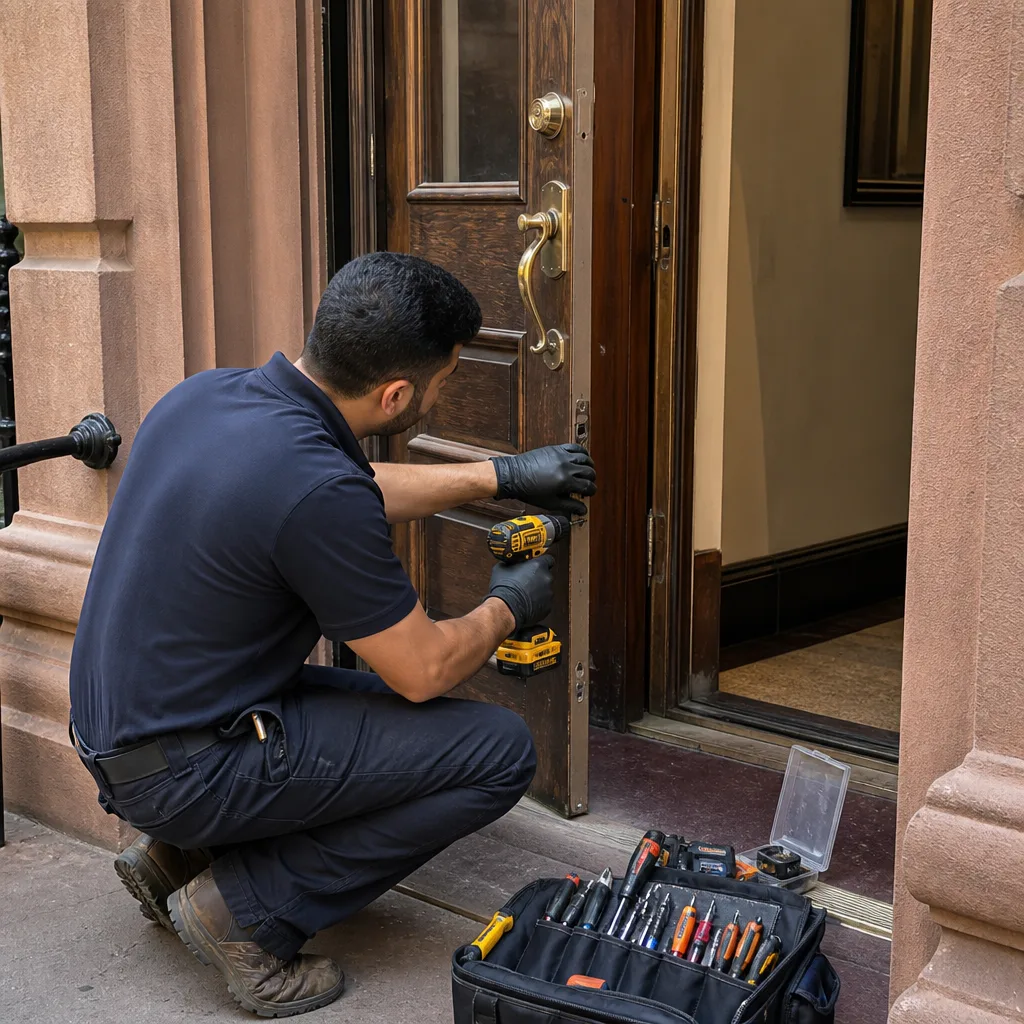
The technician arrives. The critical window is the first minute. Legitimate and fraudulent operations present differently, and the differences are visible before any tool is touched.
The Unmarked Vehicle
A legitimate locksmith in Manhattan operates a marked van or truck with business name, phone number, and license information displayed. This is not branding preference. It is a legal requirement for DCA-licensed home service contractors in New York City, and it serves a practical purpose: the customer can verify identity before opening the door. An unmarked personal vehicle, a rental car, or a vehicle with magnetic signs that peel off is a documented indicator of a subcontractor or referral-network operator with no direct accountability.
Absence of Business Identification
Ask for company ID. A legitimate technician produces it. The ID should match the business name from the phone call and the branding on the vehicle. In Manhattan, DCA-licensed locksmiths carry a photo ID issued by the department. Ask to see it. A refusal, a claim that it was forgotten, or an ID from a different company name than the one advertised indicates a referral network sending whoever is available, not an employee of the business you contacted.
No Uniform or Inconsistent Appearance
Background-checked, uniformed technicians are standard practice for legitimate operations. The uniform is not cosmetic. It is part of a documented chain of custody: the technician is identifiable, accountable, and photographed as part of the service record. At Novak Lock & Security, every visit includes a documented photo record left with the customer, per The Haven Standard. A technician in street clothes with no company affiliation visible has no such accountability structure.
Immediate Pressure to Begin
The fraudulent technician wants to start work before you have verified identity or discussed price. The goal is to create a labor situation that can be billed, regardless of what was quoted. A legitimate technician waits for confirmation: “This is the price we discussed, this is the scope, do you authorize the work?” If the technician begins manipulating your lock before you have agreed to a price, stop the interaction.
The “High-Security Lock” Claim
Manhattan has a mix of housing stock: pre-war buildings with original mortise locks, post-war buildings with cylindrical deadbolts, and newer construction with residential locksmith in Manhattan grade hardware. A fraudulent technician may claim your lock is “high-security” or “drill-resistant” to justify a price increase. In reality, most Manhattan residential locks are standard cylindrical or mortise mechanisms. True high-security cylinders, such as Medeco or Abloy, are visually distinct: they have restricted keyways, hardened steel inserts, and patent-protected key profiles. If your lock is a standard Schlage or Kwikset, claims of high-security complexity are fabricated.
First 60 seconds checklist:
- Verify marked vehicle with matching business name
- Request and inspect company photo ID
- Confirm uniform and professional appearance
- Do not allow work to begin before price confirmation
- Question any immediate claim that your lock is unusually complex
The Drill Scam: How Bait-and-Switch Operators Manufacture Costs
The drill scam is the central mechanism of locksmith fraud. It works because most customers do not know when drilling is necessary, and because a drilled lock cylinder must be replaced, adding parts and labor to the bill. Understanding when drilling is actually required, and when it is manufactured, protects you from the largest single escalation in the bait-and-switch playbook.
When Drilling Is Actually Necessary
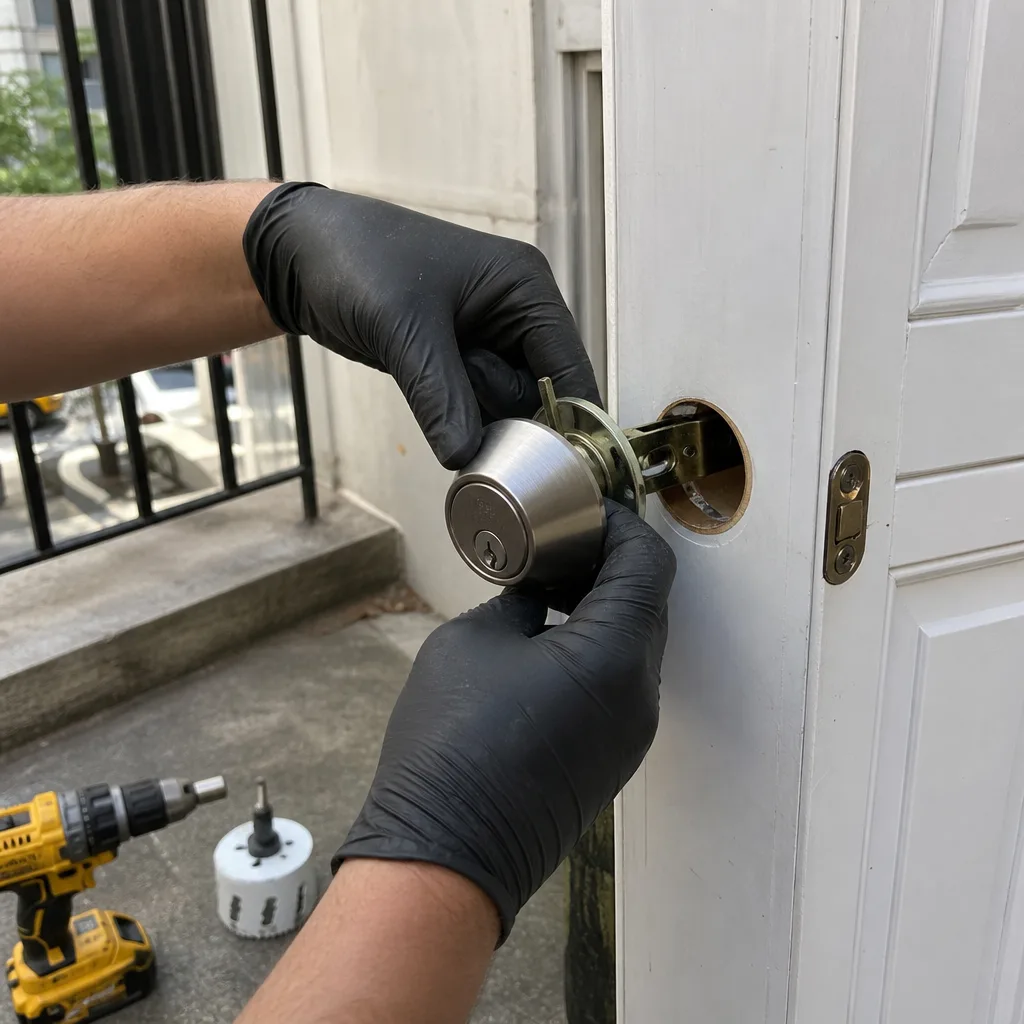
A lock cylinder is drilled when non-destructive entry methods have failed or are impractical. This occurs in specific circumstances: a high-security cylinder with drill-resistant pins that has malfunctioned internally; a lock that has been physically damaged by break-in attempt; or a lock with a broken key extracted so deeply that the wafers or pins cannot be manipulated. In Manhattan, we encounter this most often in commercial environments with commercial locksmith in Manhattan grade high-security hardware, or in residential settings where a tenant has damaged the lock before departure.
When Drilling Is Manufactured
The fraudulent technician declares drilling necessary within seconds of arrival, before attempting to pick the lock or use other non-destructive methods. The declaration is often accompanied by technical language designed to intimidate: “This is a bump-proof cylinder,” “The pins are seized,” “It’s a restricted keyway.” In our experience, over 90% of Manhattan residential lockouts are resolved without drilling. A technician who cannot or will not explain why drilling is necessary, and who refuses to show you the internal condition of the lock, is manufacturing a charge.
The Cost Multiplication
Drilling turns a $95 lockout into a $400-plus transaction. The cylinder is destroyed and must be replaced. The replacement cylinder is marked up. Labor is charged for both the drilling and the installation. In some documented cases, the technician installs a lower-grade cylinder than the original and bills for a premium product. The customer, already stressed and locked out, often pays without examining the parts or the invoice in detail.
How to Stop It
State before work begins: “Do not drill without my explicit permission, and if drilling is necessary, show me why.” A legitimate technician will explain the specific mechanical failure and demonstrate the internal condition. A fraudulent technician will resist this transparency, often becoming aggressive or claiming that delay increases the cost. This pressure tactic is itself a warning sign. At Novak Lock & Security, Haven Standard Clause 1 applies: the price on the phone is the price on the invoice. There is no mechanism for post-arrival escalation, so there is no incentive to manufacture unnecessary work.
Manhattan-Specific Context
Manhattan’s pre-war buildings often have mortise locks with bit-key or cylinder mechanisms. These are not high-security by modern standards, but they are mechanically different from standard cylindrical deadbolts. A technician unfamiliar with Manhattan housing stock may claim these require drilling because they are “old” or “obsolete.” In fact, mortise lockouts are routinely resolved with proper picking tools and knowledge of the mechanism. Drilling a mortise lock often damages the door itself, creating additional repair costs. If you live in a pre-war building on the Upper West Side, in the West Village, or in Harlem, question any immediate drilling recommendation for a mortise lock. Our Seasonal Locksmith Care for Manhattan: Year-Round Homeowner’s Guide covers how aging infrastructure interacts with weather-related wear.
Invoice Manipulation: Spotting Fraud in the Final Bill

The invoice is where the bait-and-switch operation extracts its profit. The structure of fraudulent invoices follows patterns documented by the FTC and repeated in Manhattan consumer complaints. Knowing the patterns lets you refuse payment and document the fraud.
Handwritten Totals Without Itemization
A legitimate locksmith provides a written invoice with itemized parts, labor rates, and totals. The invoice matches the phone quote. A fraudulent operation presents a handwritten total on a generic form, or a printed receipt from a mobile card reader with no breakdown. The total exceeds the phone quote by 200% to 500%. The technician claims “parts,” “additional labor,” or “emergency surcharge” as justification.
Demand itemization before paying. If the technician cannot or will not provide it, this is a red flag. At Novak Lock & Security, every invoice is generated from the same written quote provided before dispatch. Haven Standard Clause 1 prohibits any deviation.
The “Cash Only” Pressure
Cash payment eliminates the paper trail that supports credit card disputes and consumer complaints. A technician who insists on cash, who claims the card reader is broken, or who offers a “discount” for cash payment is avoiding accountability. In Manhattan, where mobile card processing is universal, a broken card reader is implausible. The cash-only request is a documented indicator of fraudulent operation.
Parts Substitution Without Disclosure
The technician installs a different lock cylinder than the one discussed, or a lower grade than the original. The invoice bills for a premium product. This occurs most often after drilling, when the customer is not shown the replacement part before installation. Ask to see the packaging and the part. Verify the brand and model against the invoice. Standard residential cylinders from Schlage or Kwikset have visible branding and model numbers. If the installed part is unbranded or the packaging is absent, question the charge.
False Surcharges
Manhattan does not have a special “borough surcharge” for locksmith services. Night, weekend, and holiday rates are standard in the trade, but they must be disclosed in the phone quote. A technician who adds surcharges not mentioned previously is violating the quoted agreement. Document the discrepancy: note the time of the call, the name of the dispatcher, and the exact language of the quote.
Invoice verification checklist:
- Does the total match the phone quote exactly?
- Are parts itemized with brand names and model numbers?
- Is labor broken down by rate and time?
- Are all surcharges disclosed in the original quote?
- Is payment method flexible, or is cash demanded?
- Does the business name on the invoice match the van, the ID, and the phone call?
The Two-Minute On-Site Verification Checklist
You can verify a locksmith’s legitimacy in under two minutes using publicly available tools. This verification protects you before any work begins and creates documentation if fraud occurs.
Step 1: Request the NYC DCA License Number
Every locksmith operating in New York City must hold a Home Improvement Contractor license from the Department of Consumer Affairs. The license number should be displayed on the vehicle, on company materials, and provided on request. Ask for it. Write it down.
Step 2: Verify the License Online
On your phone, navigate to the NYC DCA license check tool. Enter the license number. The search returns the business name, the license status, and any complaint history. Confirm that the business name matches the name on the van, the technician’s ID, and the invoice. A mismatch indicates a subcontractor, a referral network, or a fraudulent operation using another company’s license number.
Step 3: Confirm Physical Address
The DCA record includes a business address. Verify that this address exists and is associated with the business. A residential address, a mail drop, or an address that does not appear on any company materials is a warning sign. In Manhattan, legitimate locksmith operations maintain commercial premises; the cost of doing so is reflected in pricing, but so is accountability.
Step 4: Photograph the Vehicle and ID
Before allowing work to begin, photograph the vehicle license plate, the vehicle markings, and the technician’s ID. This creates a record that supports complaints, disputes, and, if necessary, law enforcement reports. A legitimate technician will not object. A fraudulent technician may become hostile or leave. Either outcome is information.
Step 5: Confirm Price in Writing
State the phone quote and request written confirmation before work begins. The confirmation can be a text message, an email, or a printed work order. At Novak Lock & Security, this confirmation is standard procedure: the dispatcher’s written quote is the technician’s authorized scope, and Haven Standard Clause 1 prohibits any modification. If the technician cannot produce written confirmation of the price, do not authorize work.
After a Bad Experience: Documentation, Disputes, and Official Complaints
If you have experienced locksmith fraud, the actions you take in the first 48 hours determine whether you recover funds and whether the operation faces consequences. Manhattan residents have specific channels and rights.
Immediate Documentation
Write a chronological record while memory is fresh: time of initial call, name of dispatcher, phone number called, phone quote given, technician arrival time, vehicle description, technician name or description, work performed, final amount charged, payment method, and any statements made about pricing or necessity of work. Photograph the invoice, the vehicle, and any installed parts. This documentation supports every subsequent step.
Credit Card Dispute Rights
If you paid by credit card, you have dispute rights under the Fair Credit Billing Act. Contact your card issuer within 60 days of the statement date. State that the charge was for services not as described: the price exceeded the quoted amount, the services were unnecessary, or the business misrepresented its identity. Provide your documentation. The card issuer will investigate and may provisionally credit your account during the review. Cash payments lack this protection, which is why fraudulent operations prefer them.
NYC Department of Consumer Affairs Complaint
File a complaint at nyc.gov/dca. The complaint form requests business information, transaction details, and your desired resolution. The DCA investigates complaints against licensed contractors and can impose fines, license suspension, or revocation. Even if the business is unlicensed, the complaint creates a record that supports enforcement action.
FTC Complaint
For operations that appear to be national referral networks or that use deceptive advertising, file at reportfraud.ftc.gov. The FTC does not resolve individual complaints but uses them to identify patterns and pursue enforcement against large-scale fraud operations.
Online Review Platforms
Post detailed, factual reviews on Google, Yelp, and other platforms. Specificity protects you from defamation claims: state exactly what was quoted, what was charged, and what documentation you have. Reviews serve two purposes: they warn other consumers, and they create a public record that supports official complaints.
Preventing Recurrence
After a bad experience, many homeowners avoid calling locksmiths altogether. This creates security risks: broken locks go unrepaired, keys are not rekeyed after move-in, and access control is not updated. The solution is not avoidance but verification. Establish a relationship with a verified, documented locksmith before you need emergency service. Save the number. Know the price structure. In Manhattan, where building access, key fobs, and intercom systems add complexity to residential security, having a trusted locksmith contact is practical, not optional. Our access control systems in Manhattan service includes documentation of all credentials and access levels, creating an auditable record that prevents unauthorized duplication.
Choosing a Legitimate Manhattan Locksmith: What to Demand Up Front
The inverse of recognizing fraud is knowing what legitimate operation looks like. These standards are not aspirational. They are procedural, verifiable, and should be demanded as a condition of engagement.
Written Price Before Any Work Starts
This is non-negotiable. The price must be specific, total, and documented before dispatch. At Novak Lock & Security, this rule has been in place since 2002. The dispatcher quotes a firm price. The technician is contractually prohibited from changing it at the door. This is Haven Standard Clause 1, and it is the foundation the business was built on.
Verified Technician Identity
Background-checked, uniformed technicians with photo ID. Documented photo record of every visit. These are not marketing claims. They are procedures that create accountability. Ask how a company verifies technician identity and documents service visits. If the answer is vague, the procedures do not exist.
Local Dispatch and Local Knowledge
A Manhattan locksmith should know Manhattan: the difference between a pre-war mortise lock in a Washington Heights walk-up and a modern cylindrical deadbolt in a Financial District high-rise; the access protocols for doorman buildings versus self-service entries; the parking and traffic patterns that affect response times. This knowledge affects pricing, timing, and the tools required. A dispatch center in another state cannot provide it.
Brand Authorization and Technical Range
Legitimate locksmiths are factory-authorized or factory-trained on the brands they install and service. This matters for warranty coverage and for security: unauthorized installation of high-security cylinders voids manufacturer warranties and may compromise the lock’s resistance to attack. Novak Lock & Security maintains authorization for Medeco, Mul-T-Lock, Abloy, Baldwin, and Schlage, covering the full security spectrum from entry-grade to high-security. Pricing for each tier is quoted in writing before work begins.
Documented Warranty and Follow-Up
The 365-Day Done Right Promise covers every lock installation, rekey, and emergency call. If it’s not done right, we make it right. This is not a satisfaction survey. It is a warranty with a defined term and a documented claim process. Ask any locksmith what their warranty covers, for how long, and how claims are processed. A vague or absent answer indicates no actual warranty structure.
Since 2002, Novak Lock & Security has installed or serviced over 60,000 locks, keys, and systems. Every one began with a written price and ended with a documented record. That volume is not a longevity claim. It is a dataset that demonstrates procedural consistency.
Common Mistakes to Avoid
- Searching only for speed, not specificity. “Fastest locksmith Manhattan” returns paid ads optimized for emergency response, not for verified legitimacy. Add “DCA licensed” or “fixed price” to your search terms.
- Accepting a range quote under stress. Lockouts are stressful. The range quote feels like progress. It is not. A fixed price is achievable even in emergencies. We answer calls with live operators 24/7 who can quote and dispatch simultaneously.
- Allowing work to begin before price confirmation. The technician who starts manipulating your lock before you have agreed to a price is creating a fait accompli. Stop the interaction. Verify first.
- Paying cash to resolve a dispute. A technician who inflates the price and then offers a “cash discount” is converting fraud into an untraceable transaction. Use a credit card. Preserve your dispute rights.
- Assuming all locksmiths know Manhattan building stock. A technician unfamiliar with pre-war mortise locks, co-op access protocols, or high-rise intercom systems may damage your door or install incompatible hardware. Ask about experience with your specific building type.
- Neglecting to rekey after move-in or roommate departure. This is not fraud avoidance. It is security hygiene. In Manhattan’s rental market, where key turnover is high, rekeying is standard practice. Lock rekey typically runs $25-$45 per cylinder, quoted in writing before we start.
- Failing to document the transaction. Even with legitimate operators, documentation protects you. With fraudulent operators, it is essential for recovery. Photograph, record, and retain every document.
When to Call a Professional
Call a professional locksmith when you cannot verify your own access, when your lock has malfunctioned, when your keys are lost or stolen, or when your security needs have changed. In Manhattan, where residential buildings range from single-family townhouses to 500-unit high-rises, the complexity of access control often exceeds DIY capacity. Novak Lock & Security Manhattan offers free estimates in Manhattan. Call (862) 319-3759. The dispatcher will quote a firm price, and the technician will arrive with documented identity, uniform, and authorization to perform the scope discussed.
Frequently Asked Questions
Lockout service in Manhattan typically runs $95-$150 for a standard residential lock during business hours, quoted as a fixed total before dispatch. Rekeying runs $25-$45 per cylinder. High-security lock installation ranges from $200-$500 per door depending on the cylinder grade and hardware. The exact price depends on the specific lock, the building type, and the time of service. Call (862) 319-3759 for an exact quote. Estimates are free.
Yes. At Novak Lock & Security, the dispatcher’s quoted price is the invoice price. Haven Standard Clause 1 prohibits any technician from changing the price at the door. This rule has been in place since 2002. If the scope changes based on conditions found on site, we stop work, explain the change, and obtain written authorization before proceeding.
Emergency response in Manhattan typically ranges from 15 to 35 minutes depending on traffic, time of day, and your specific neighborhood. Upper Manhattan and the far East Side may take longer during peak hours. We quote an estimated arrival time when you call, and the dispatcher updates you if conditions change. Call (862) 319-3759 for current ETA to your address.
Ask for the NYC Department of Consumer Affairs Home Improvement Contractor license number. Verify it online at nyc.gov/dca. The license status, business name, and complaint history are public record. The name on the license must match the name on the vehicle, the technician’s ID, and the invoice. Verification takes under two minutes.
Drilling should be the last resort, not the first response. A legitimate technician attempts non-destructive entry methods first and explains the specific mechanical reason drilling is necessary. In Manhattan, over 90% of residential lockouts are resolved without drilling. If a technician declares drilling necessary within seconds of arrival, without attempting other methods, refuse authorization and request a second opinion. Novak Lock & Security provides free second opinions on any written estimate.
Document everything: the phone quote, the invoice, the technician’s description, and the vehicle. If you paid by credit card, initiate a dispute with your issuer within 60 days. File a complaint with the NYC Department of Consumer Affairs at nyc.gov/dca. Post a factual, detailed review on Google or Yelp to warn other consumers. If the amount is substantial, consider filing a police report for fraud. For future needs, establish a verified locksmith relationship before the next emergency.
The Bottom Line
Locksmith fraud in Manhattan is not sophisticated. It is a repeated playbook that depends on customer stress, technical unfamiliarity, and the absence of written documentation. The warning signs are visible at every stage: the range quote on the phone, the unmarked vehicle at the curb, the immediate drilling recommendation, the handwritten invoice that triples the price. The defense is equally straightforward: demand a fixed written price, verify DCA licensure in under two minutes, photograph the vehicle and ID, and refuse cash-only pressure. These steps do not require technical knowledge. They require the application of scrutiny at the moment when distraction is highest. Read this guide before that moment. Save a verified locksmith’s number. Know what legitimate operation looks like, and recognize the deviations.
Written by Daniel Novak, Owner at Novak Lock & Security Manhattan, serving Manhattan since 2002.