
Last updated September 25, 2026
Non-destructive entry first, always - and we re-key Schlage, Kwikset, and Baldwin locks on the spot while you watch
You get a price before we start. It does not change when we arrive. No surprises.
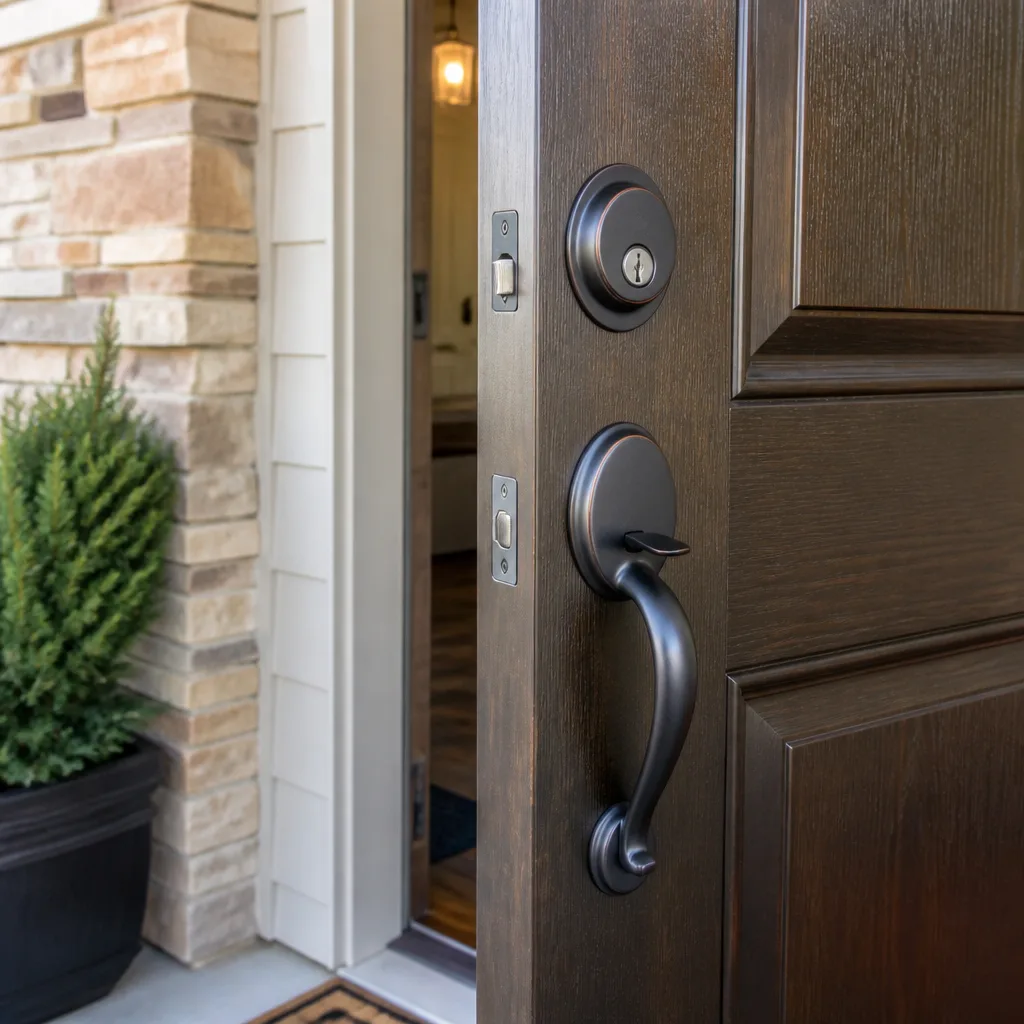
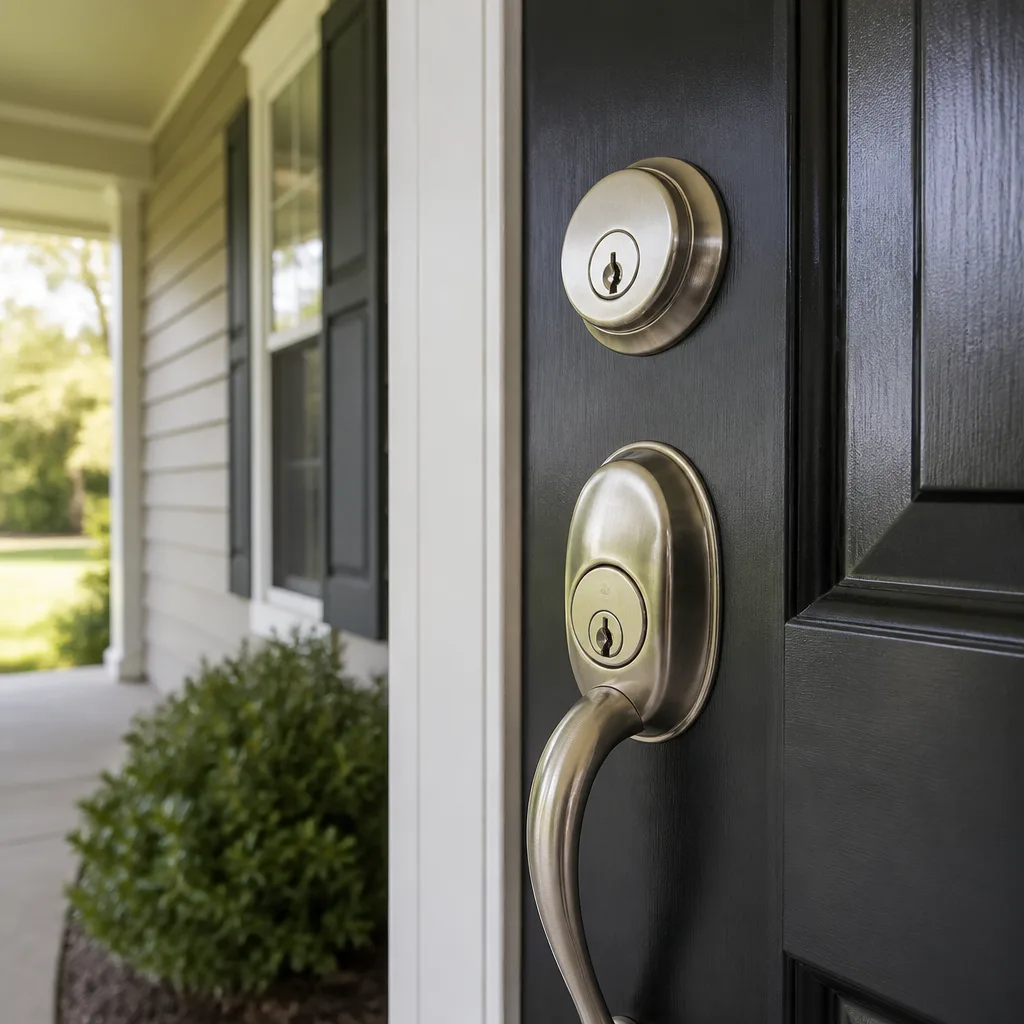
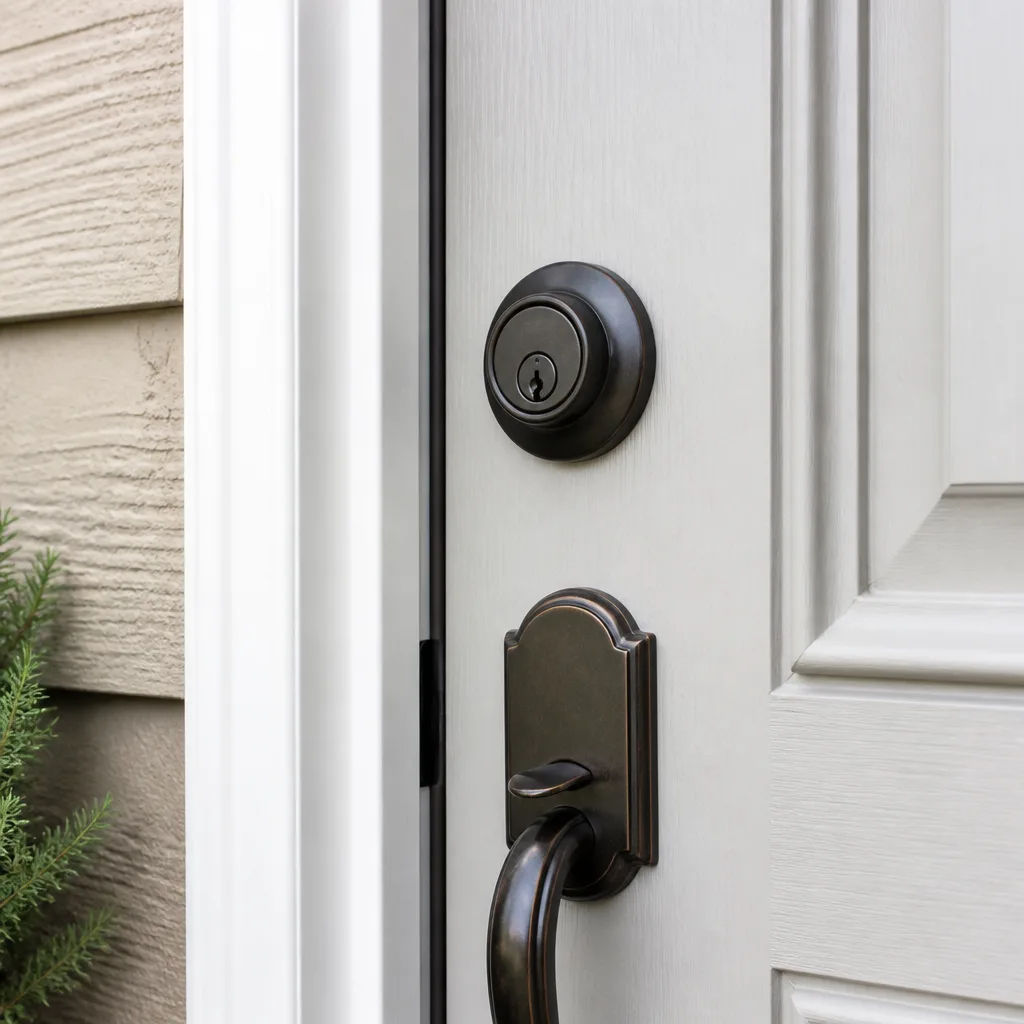
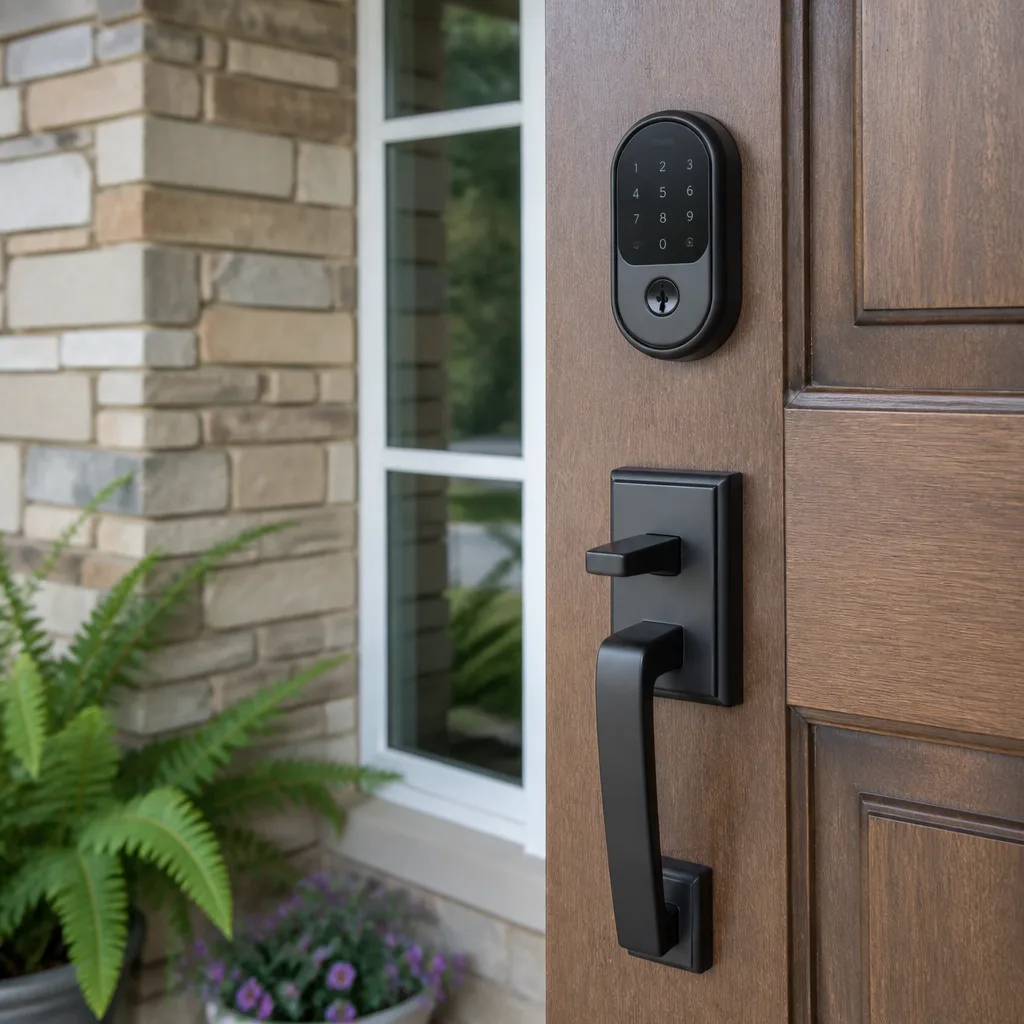
How to Hire a Locksmith Contractor in Manhattan: A Step-by-Step Guide
You can verify a Manhattan locksmith’s Consumer Affairs license in under 60 seconds on the NYC DCA website - but fewer than one in ten residents do it, which is why bait-and-switch operators stay in business. In a borough where the average apartment contains $40,000-$80,000 in personal property and co-op boards can fine residents for unapproved lock changes, hiring the wrong contractor isn’t a minor inconvenience. It’s a financial and legal exposure. This guide reorders the hiring steps to match the actual risk: license verification first, insurance confirmation second, price comparison third. For Locksmith Warning Signs: A Manhattan Homeowner’s Reference Guide, see our companion resource. Most bad hires begin when that sequence is reversed.
Quick Answer
To hire a locksmith contractor in Manhattan, verify the NYC DCA license number on the city website, request a certificate of liability insurance, then obtain a written fixed-price quote before anyone is dispatched. Give the dispatcher four data points - door type, lock brand, hardware condition, and whether the property is residential or commercial - to receive a price that will not change at the door. In Manhattan, also confirm the contractor has experience with your building type: co-op boards, management companies, and landmark buildings each impose compliance requirements that standard locksmiths may not meet.
Table of Contents

- Why License Verification Must Come First
- Insurance: The Certificate That Actually Protects You
- What to Say on the Phone to Get a Firm Quote
- Red Flags in the First 30 Seconds of a Call
- How Manhattan Building Requirements Affect Your Choice
- What to Do If the Technician Changes the Price at the Door
- The Documentation You Should Receive
- Common Mistakes to Avoid
- When to Call a Professional
- Frequently Asked Questions
- The Bottom Line
Why License Verification Must Come First
Every locksmith operating in Manhattan must hold a Home Improvement Contractor license from the New York City Department of Consumer Affairs, as detailed in our guide to Locksmith Permits, Codes & Inspections in NY: What You Need to Know. This is not optional, not a formality, and not satisfied by a state-level business registration. The DCA license is the mechanism the city uses to track complaints, enforce bonding requirements, and maintain a public record of disciplinary actions.
Here’s the 60-second check: go to nyc.gov/dca, search the licensee database by company name or the individual’s name, and confirm the status reads “Active.” Write down the license number. If the dispatcher cannot provide it, or provides a number that does not match the business name, end the call. This single step eliminates the majority of fraudulent operators in Manhattan.
The DCA license serves three functions that matter to you directly. First, it requires the contractor to carry a surety bond, which creates a fund of last resort if you need to recover losses from incomplete or damaging work. Second, it subjects the contractor to the city’s complaint and arbitration system, which is faster and less expensive than civil court. Third, it means the contractor has passed a background check and fingerprinting process that unlicensed individuals have not undergone.
In our experience at Novak Lock & Security Manhattan, customers who skip this step often discover too late that their “locksmith” was a subcontractor dispatched from a call center in another state, carrying no local license and no accountability to the DCA. The lock gets drilled unnecessarily, the price triples, and the only recourse is a credit-card dispute that may take 60 days to resolve.
Manhattan’s density amplifies this risk. A single unlicensed operator working a Midtown high-rise can damage dozens of doors in a week before complaints catch up. The DCA database is your first and most reliable filter.
Insurance: The Certificate That Actually Protects You
After license verification, request a certificate of liability insurance. Not a verbal assurance. Not a line on a website. A certificate, issued by the insurance broker, naming the specific coverage amounts and effective dates.
The minimum you should accept: general liability of $1,000,000 per occurrence and $2,000,000 aggregate. This covers property damage the technician causes to your door, frame, or adjacent hardware. If the contractor works in your building’s common areas, as many Manhattan jobs require, the building’s management will likely require this certificate before granting access.
Here’s what the certificate should show:
- Policyholder name matching the DCA license holder exactly
- Effective dates that include your service date
- General liability coverage amounts
- Workers compensation coverage (required if the contractor employs anyone)
Some Manhattan buildings, particularly co-ops on the Upper East Side and newer condo towers in Tribeca, require additional insured endorsements naming the building itself. If you live in one of these buildings, ask your management company for their certificate requirements before you call any contractor. A locksmith who cannot produce compliant documentation will be turned away at the door, wasting your time and potentially leaving you locked out.
At Novak Lock & Security Manhattan, we maintain coverage that satisfies every major Manhattan management company, and we provide certificates on request, typically within two hours. This is standard procedure, not a special favor. Any contractor who hesitates or asks for a fee to produce a certificate is signaling that their coverage may not exist.
What to Say on the Phone to Get a Firm Quote
A valid price quote requires four data points. Without them, any number given is a guess that will be revised upward on arrival. Here’s what to have ready when you call:
- Door type: Wood, metal, or glass? Single or double? Interior or exterior? Pre-war buildings in the West Village and East Village often have solid-core wood doors with mortise locksets that require different hardware than the hollow-metal doors common in post-war buildings.
- Lock brand and model: If visible, read the name on the faceplate or cylinder. Common Manhattan brands include Schlage, Yale, Baldwin, and Medeco. High-security cylinders like Mul-T-Lock have distinct keyways that require specialized tooling. If you don’t know the brand, describe the key: standard ridges, dimple cuts, or a sidebar mechanism?
- Hardware condition: Is the lock functioning but sticky? Completely seized? Has the key broken off inside? Was the cylinder previously drilled by another contractor? The condition determines whether repair, rekey, or full replacement is appropriate - and the price difference between these is substantial.
- Residential or commercial: Commercial-grade hardware, even in a residential setting, carries different pricing and often requires different technician training. Manhattan lofts converted from commercial space, common in SoHo and Chelsea, frequently retain commercial exit devices or heavy-duty deadbolts.
With these four points, a qualified dispatcher can quote a fixed price that includes labor, parts, and any necessary hardware. At Novak Lock & Security Manhattan, this quote is documented before dispatch and protected by Haven Standard Clause 1: the price on the phone is the price on the invoice. The technician is contractually prohibited from changing it at the door.
If a dispatcher quotes a range - “$150 to $400, depending on what we find” - that is not a quote. It is a fishing expedition. The final price will land at the high end, guaranteed. Manhattan customers see this pattern repeatedly with out-of-area call centers that dispatch unvetted subcontractors.
Red Flags in the First 30 Seconds of a Call

Some warning signs appear before you provide any information. These are automatic disqualifiers:
- Non-local area code on the dispatch line: A Manhattan locksmith should answer with a local presence. Out-of-state call centers route to subcontractors who may not be licensed in New York.
- Refusal to provide a company address: Ask where their Manhattan office or dispatch point is located. Vague answers (“we service all five boroughs from our central hub”) or refusal to answer means no local accountability.
- Quotes given as ranges: “Usually between X and Y” is not pricing. It is a setup for a bait-and-switch.
- Pressure to commit before receiving information: “We need to send someone now to assess” when you haven’t described the job means they intend to create a face-to-face pressure situation.
- No company name stated: If the answerer says only “locksmith service” or “emergency lockout,” they are operating under multiple brand names to obscure complaint histories.
- Demand for payment before arrival: Legitimate locksmiths do not require credit-card holds to dispatch. This is a hallmark of scams that charge exorbitant “service fees” for a technician who never appears or appears hours late.
Manhattan’s 24-hour economy creates particular vulnerability at night. A locked-out resident in Hell’s Kitchen at 2 AM is stressed and time-pressured, which is exactly when these red flags matter most. The 30 seconds you spend testing for them can save hours of dispute and hundreds of dollars.
How Manhattan Building Requirements Affect Your Contractor Choice
Manhattan’s building stock is not uniform, and neither are its lock requirements. Three building categories impose compliance layers that standard locksmiths may not meet.
Co-operative Apartments
Co-op boards on the Upper West Side, Upper East Side, and in pre-war buildings throughout the borough typically require that any lock change be performed by a contractor on the building’s approved vendor list. Some boards mandate specific hardware grades or keying systems to maintain master key compatibility. A locksmith who installs non-compliant hardware can trigger a board fine and a requirement to reinstall at the resident’s expense.
Before hiring, check your proprietary lease or ask your managing agent: Is there an approved vendor list? Is a work permit required? Must the super witness the installation? We have arrived at co-op buildings where the previous contractor’s work was rejected because the new deadbolt projected beyond the door face, violating fire code - a specification that should have been checked before purchase.
Management Company Buildings
Buildings managed by companies like Douglas Elliman, FirstService Residential, or Akam often require certificate of insurance compliance, photo ID submission 24 hours in advance, and specific arrival windows. Some prohibit after-hours work in common areas without security escort. A locksmith unfamiliar with these protocols will be denied building access, leaving you to absorb the cost of a wasted trip.
Landmark Buildings
Properties under the New York City Landmarks Preservation Commission, including many in Greenwich Village, the Financial District, and along individual landmark blocks, may require LPC approval for exterior hardware changes. Even paint color on a visible lock can trigger review. Interior hardware is generally unrestricted, but exterior modifications - common in townhouse and brownstone properties - require permits that can take 2-4 weeks.
A locksmith who proposes drilling or replacing exterior hardware in a landmark district without mentioning LPC requirements is either uninformed or indifferent. Either way, the cost of non-compliance falls on you.
For residential locksmith services in Manhattan, we verify building requirements before quoting. For commercial properties, we coordinate directly with building management to ensure compliance.
What to Do If the Technician Changes the Price at the Door
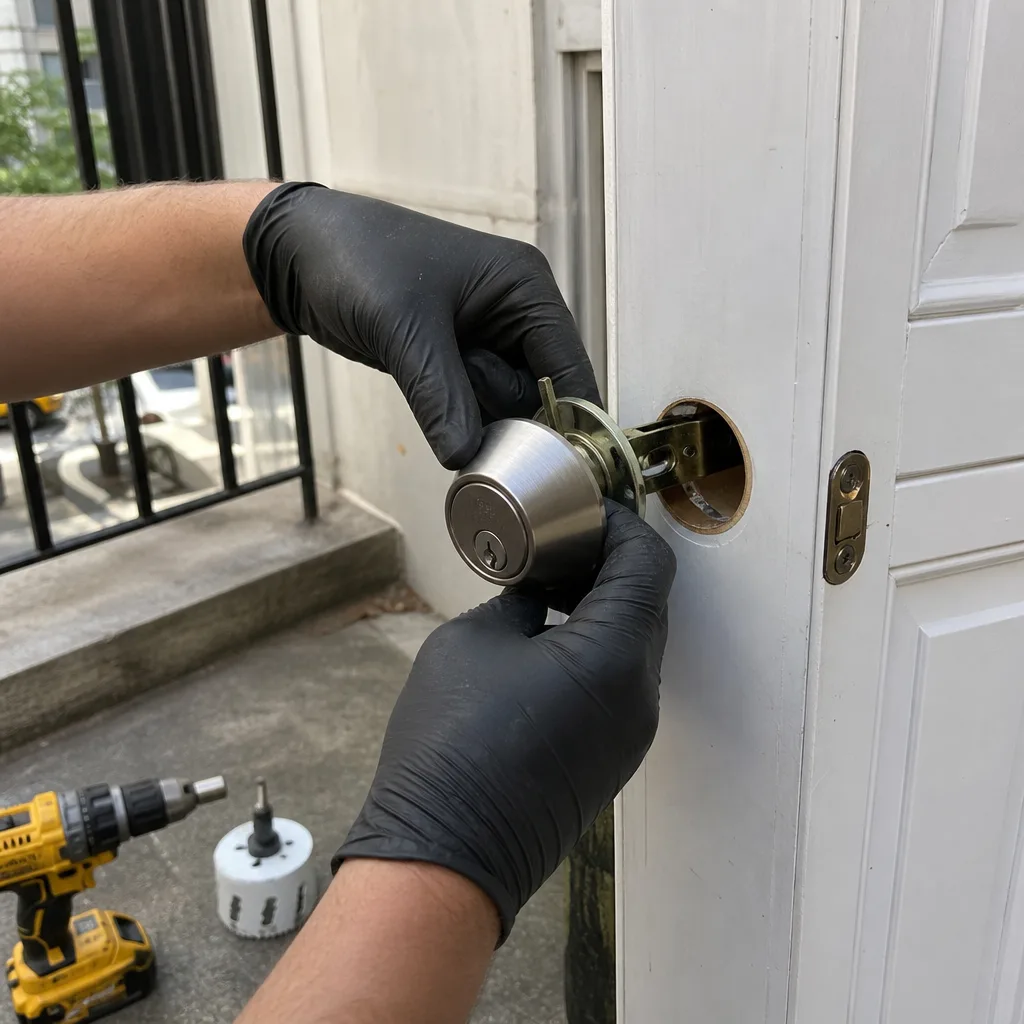
This is the moment most Manhattan residents dread. The technician arrives, examines the lock for 30 seconds, and announces that the “situation is more complicated than described” and the price will be $400 instead of the $180 quoted. Here’s the specific response:
- State the original quote by number: “The dispatcher quoted $180 for this rekey. I have the confirmation text.” Documentation matters. At Novak Lock & Security Manhattan, every quote is sent by text or email with a reference number.
- Ask for the specific change: “What exactly is different from what I described?” A legitimate complexity - a seized cylinder, a non-standard keyway, additional hardware discovered behind the escutcheon - can be explained in plain language. Vague claims (“it’s just harder”) are pretext.
- Invoke your right to refuse: “I do not authorize work at this price. Please leave.” You are not obligated to accept revised pricing. The technician may become insistent; remain calm and repeat the refusal. Do not sign anything under pressure.
- Document before they depart: Photograph the technician’s ID badge, the company vehicle, and any paperwork presented. Note the time and any statements made. This documentation supports your complaint to the DCA and your credit-card dispute.
- Lock the door behind them: If you are locked out and they refuse to complete the original agreement, call another provider. Paying under duress does not guarantee quality work and encourages the practice.
Haven Standard Clause 1 exists precisely because this scenario was endemic in the trade when we founded Novak Lock & Security Manhattan in 2002. Our technicians are contractually prohibited from revising a confirmed price. If they encounter genuine complexity, they call dispatch, who contacts you with a revised scope and a new fixed price - which you can accept or decline before any additional work proceeds.
If you experience a bait-and-switch in Manhattan, file a complaint at nyc.gov/dca. The city tracks patterns; your report contributes to enforcement action that protects other residents.
The Documentation You Should Receive
Professional locksmith work in Manhattan should produce three documents, delivered at completion:
- Written invoice: Itemized labor, parts, and any service charges, with the final price matching the quoted price. The invoice should include the DCA license number and company contact information.
- Photo record: Documented images of the completed work, the hardware installed, and the condition of the door and frame. At Novak Lock & Security Manhattan, this is standard on every visit, provided to the customer before the technician departs.
- Warranty documentation: The terms of coverage, duration, and what constitutes a valid claim. Our 365-Day Done Right Promise covers every lock installation, rekey, and emergency call - if it’s not done right, we make it right, with no deductible or service fee for the return visit.
For high-security installations involving Medeco, Mul-T-Lock, or Abloy cylinders, you should also receive key control documentation: a registration card that establishes your ownership of the keying system and restricts unauthorized duplication. Without this card, even legitimate locksmiths cannot cut replacement keys, and unauthorized copies may circulate.
Commercial clients receiving access control systems in Manhattan should receive additional documentation: system architecture diagrams, user credential registers, and maintenance schedules. These are required for insurance audits and building security reviews.
Common Mistakes to Avoid
- Comparing prices before verifying credentials: A low quote from an unlicensed operator is not a bargain. It is an unenforceable agreement with someone who may damage your property and disappear. Verify license and insurance before any price comparison.
- Accepting “it depends” pricing: Every legitimate locksmith job in Manhattan can be quoted as a fixed price once the four data points are provided. Ranges are a tactic, not a necessity.
- Neglecting building requirements: Co-op fines for unapproved work, landmark violations, and management company access denials all stem from hiring a contractor who did not ask the right questions before arriving.
- Paying cash without a receipt: Cash payments to unlicensed operators are untraceable and unrecoverable. Credit-card payments create a transaction record and potential chargeback protection.
- Assuming all locksmiths handle high-security hardware: Medeco, Mul-T-Lock, and Abloy cylinders require factory-authorized training and specialized tooling. A generalist who “can probably figure it out” risks destroying an expensive cylinder and voiding your warranty.
- Ignoring the photo record: Documentation of work condition protects both parties. A contractor who will not photograph completed work may have something to conceal.
- Hiring based on proximity alone: “Near me” results prioritize location, not qualification. A qualified locksmith ten minutes away is preferable to an unqualified one around the corner.
When to Call a Professional
Call a licensed locksmith when you are locked out of your Manhattan residence or business, when keys are lost or stolen, when moving into a new apartment (rekeying is essential - you cannot know who retains copies), when a lock malfunctions or becomes difficult to operate, or when upgrading security after a break-in or neighborhood incident. High-security cylinder installation, safe work, and access control system configuration always require trained technicians.
Do not attempt to drill, pick, or force a lock yourself. Modern cylinders contain anti-drill pins and sidebar mechanisms that will seize when attacked improperly, converting a simple service call into a full hardware replacement. Manhattan’s pre-war mortise locks are particularly unforgiving; their internal mechanisms are interdependent, and damage to one component often requires rebuilding the entire lockset.
Novak Lock & Security Manhattan offers free estimates in Manhattan. Call (862) 319-3759 to speak with a live dispatcher, verify our DCA license, and receive a fixed written price before any technician is dispatched.
Frequently Asked Questions
Lock rekeying in Manhattan typically runs $25-$45 per cylinder, lockout service $120-$180 during standard hours, and high-security cylinder installation $280-$450 including hardware and labor. See our Locksmith Cost Breakdown: The Manhattan Homeowner’s Reference for 2026 for fuller pricing context. Every quote from Novak Lock & Security Manhattan is fixed in writing before dispatch, with no call-out surcharge added on arrival. Call (862) 319-3759 for an exact quote - estimates are free.
Yes, a properly quoted price should be the final price. At Novak Lock & Security Manhattan, Haven Standard Clause 1 prohibits technicians from changing a confirmed price at the door. If unforeseen complexity arises, dispatch contacts you with a revised scope and new fixed price before any additional work proceeds. This rule has been in place since 2002.
Verify the Home Improvement Contractor license on the NYC DCA website at nyc.gov/dca. The license status must read “Active” and match the business name exactly. Ask for the license number on the phone and check it before providing your address. This 60-second step is the most effective fraud prevention available.
Response time varies by location, traffic, and demand. Typical arrival in Manhattan ranges from 20 to 45 minutes for emergency lockout calls. We do not quote impossible times to secure bookings; we quote realistic windows and update you if conditions change. For scheduled work - rekeys, installations, security upgrades - we book specific appointments with 30-minute arrival windows.
Contact your building super or doorman first; some buildings maintain master keys or approved vendor lists. If you hire independently, confirm the locksmith is on your building’s approved list and can produce insurance documentation meeting your management company’s requirements. Unauthorized lock work in a co-op can result in fines and mandatory hardware replacement at your expense.
Check your lease first. Many Manhattan rentals prohibit tenant-installed hardware modifications, and some smart locks require drilling that violates lease terms. Even where permitted, improper installation on pre-war doors with non-standard backsets can damage the door and create security gaps. A professional assessment determines compatibility before purchase. We provide written compatibility reports for rental properties, identifying landlord-approved options.
The Bottom Line
Hiring a locksmith in Manhattan is a licensing verification problem disguised as a price comparison. The correct sequence - DCA license check, insurance certificate request, then fixed written quote - eliminates most fraudulent operators before they reach your door. Give four data points on the phone to receive a price that will not change. Understand your building’s requirements, whether co-op, management company, or landmark. Document everything, and never accept pressure to authorize revised pricing on arrival. The contractors who survive this screening are the ones worth comparing. Explore more guides & resources for additional homeowner protections.
Written by Daniel Novak, Owner at Novak Lock & Security Manhattan, serving Manhattan since 2002.