
Non-destructive entry first, always - and we re-key Schlage, Kwikset, and Baldwin locks on the spot while you watch
You get a price before we start. It does not change when we arrive. No surprises.
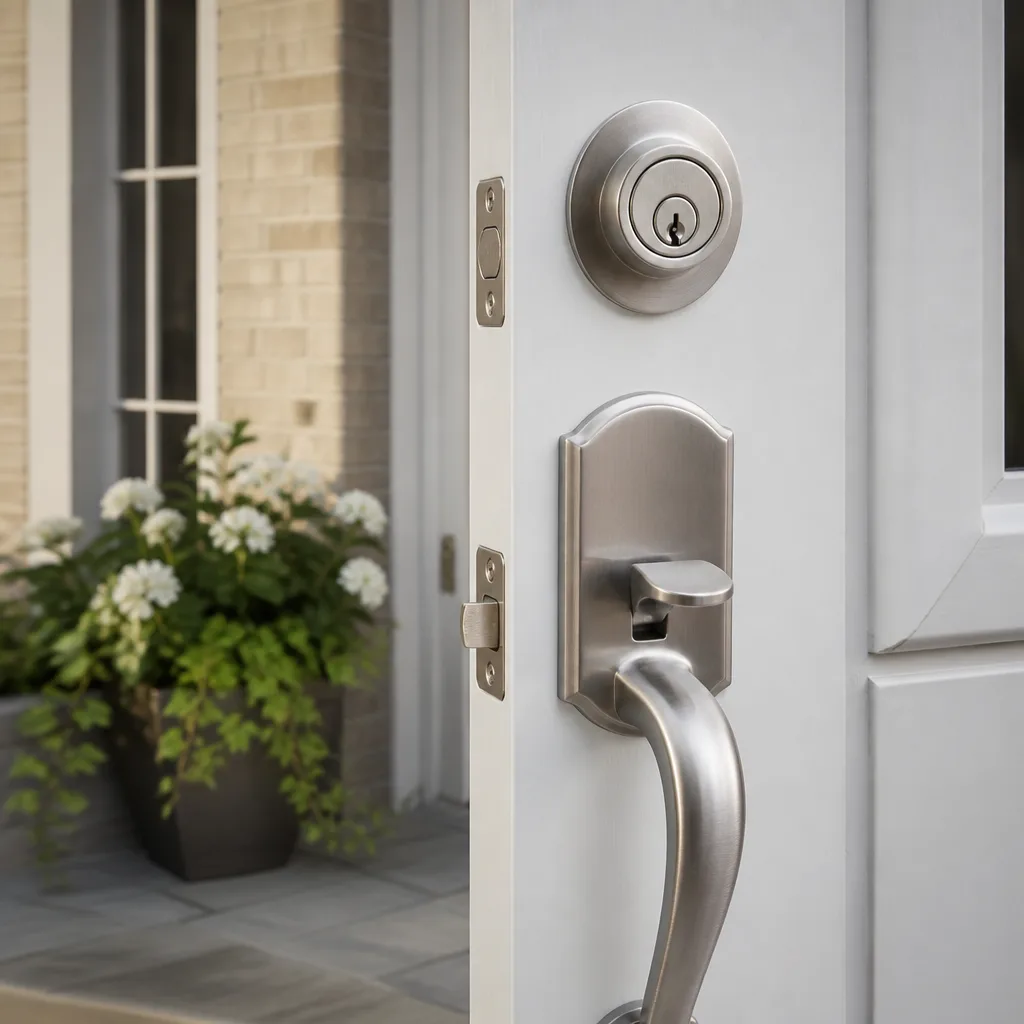
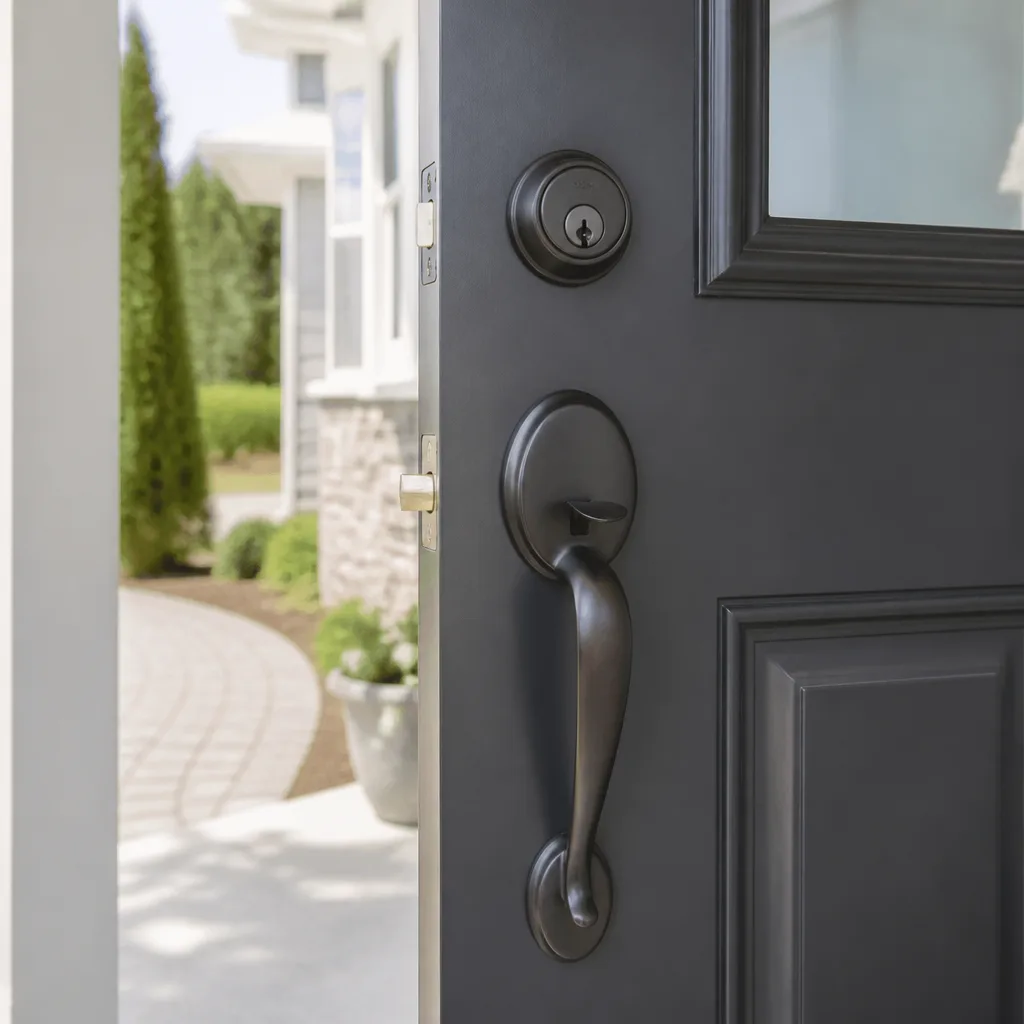
Sargent Lock Rekeying: The Manhattan Owner’s Guide
Sargent lock rekeying in Manhattan typically runs $45-$85 per cylinder for standard commercial and residential hardware, with high-security Sargent Signature Series cylinders ranging $95-$165, and we stock the full pin kit and compatible key blanks on every van for same-day service. Most Manhattan property owners discover a rekey is needed after a tenant turnover, a lost master key, or when a cylinder starts rejecting the correct key - the last situation usually means worn pins or a damaged keyway that’s been forcing the cut for months.
Which Sargent Models This Applies To
Sargent hardware spans six active product lines in Manhattan buildings, and the rekey approach differs by series. The 10-Line and 11-Line cylindrical leversets, common in pre-war walk-ups and mid-century office conversions in Murray Hill and the West Village, use standard .115-inch diameter pins and accept aftermarket pinning kits without issue. The 6300 Series bored locks, found in newer condo buildings near Hudson Yards, share the same core but often ship with Sargent’s SFIC (Small Format Interchangeable Core) prep - a different rekey procedure entirely, requiring a control key to remove the core before we can repin it.
The Signature Series B660 and B560 deadbolts, increasingly specified by Manhattan co-op boards for their pick-resistant sidebar mechanism, demand OEM Sargent pinning kits; aftermarket pins in these cylinders create tolerance stacking that shows up as key drag within six months. We carry both. To identify your series: check the face of the lever rose or deadbolt escutcheon for a stamped model number, or measure the cylinder diameter - SFIC cores are 1.18 inches, standard mortise cylinders are 1.35 inches. The Haven Standard Clause 3 requires we photograph the existing hardware before quoting, so there’s no guesswork on which kit we pull from the van.
Signs Your Sargent Lock Rekeying Is Failing

- Key requires jiggling or repeated insertion to turn. This usually indicates driver pins that have worn flat on their contact surfaces, or a key cut that no longer matches the pin stack after years of metal fatigue. In Manhattan’s pre-war buildings, we also see this when original Sargent cylinders have been repinned multiple times with mixed pin brands, creating inconsistent tolerances.
- The key turns but the bolt doesn’t retract fully. The tailpiece connecting cylinder to latch mechanism may be stripped, or the cam inside a mortise cylinder has cracked - a failure mode we see often in Sargent 8200 Series mortise locks on commercial doors in Midtown, where heavy traffic cycles the mechanism hundreds of times daily.
- Different keys operate the same cylinder, or one key works multiple units. This is master key system degradation: worn master wafers or incorrectly sized bottom pins have created shear line overlap. It’s a security failure, not just a mechanical one, and it requires a full repin with a new master key hierarchy.
- Key extraction requires force, or the key comes out bent. The keyway has developed burrs or the plug has shifted in the housing due to worn bushings. Sargent’s paracentric keyway, standard on commercial grades, is particularly susceptible to this once lubrication degrades - which happens faster in Manhattan’s steam-heated buildings where winter humidity drops below 20 percent for months.
- Recent rekey by another locksmith, and now the key sticks worse than before. We find this frequently: a technician used a generic .003-inch tolerance pin kit instead of Sargent’s specified .005-inch, or failed to deburr the plug after cutting. The cylinder works day one, then deteriorates rapidly as the soft brass pins deform against the harder plug walls.
Replacement Cost & What’s Included
| Service | Typical Range | What’s Included |
|---|---|---|
| Standard Sargent cylinder rekey (10/11-Line, 6300 Series) | $45-$85 per cylinder | Remove cylinder, repin to new key, 2 cut keys, reinstallation, function test |
| Sargent Signature Series rekey (B660/B560 with sidebar) | $95-$165 per cylinder | OEM pinning kit, sidebar inspection, 2 cut keys, reinstallation, documented photo record |
| SFIC core repin (control key removal) | $65-$110 per core | Control key extraction, core repin, 2 cut keys, reinsertion, master key verification if applicable |
| Master key system rekey (3+ cylinders) | $40-$75 per cylinder | New master hierarchy, individual change keys, bitting list, written key control log |
The range reflects cylinder accessibility - a surface-mounted deadbolt takes ten minutes; a mortise lock in a steel door with a tight escutcheon can take forty. Every price is quoted in writing before we start, per Haven Standard Clause 1: the price on the phone is the price on the invoice. No call-out surcharge, no hardware “discovery” fees added at the door. Work is backed by our 365-Day Done Right Promise.
DIY or Call Us?
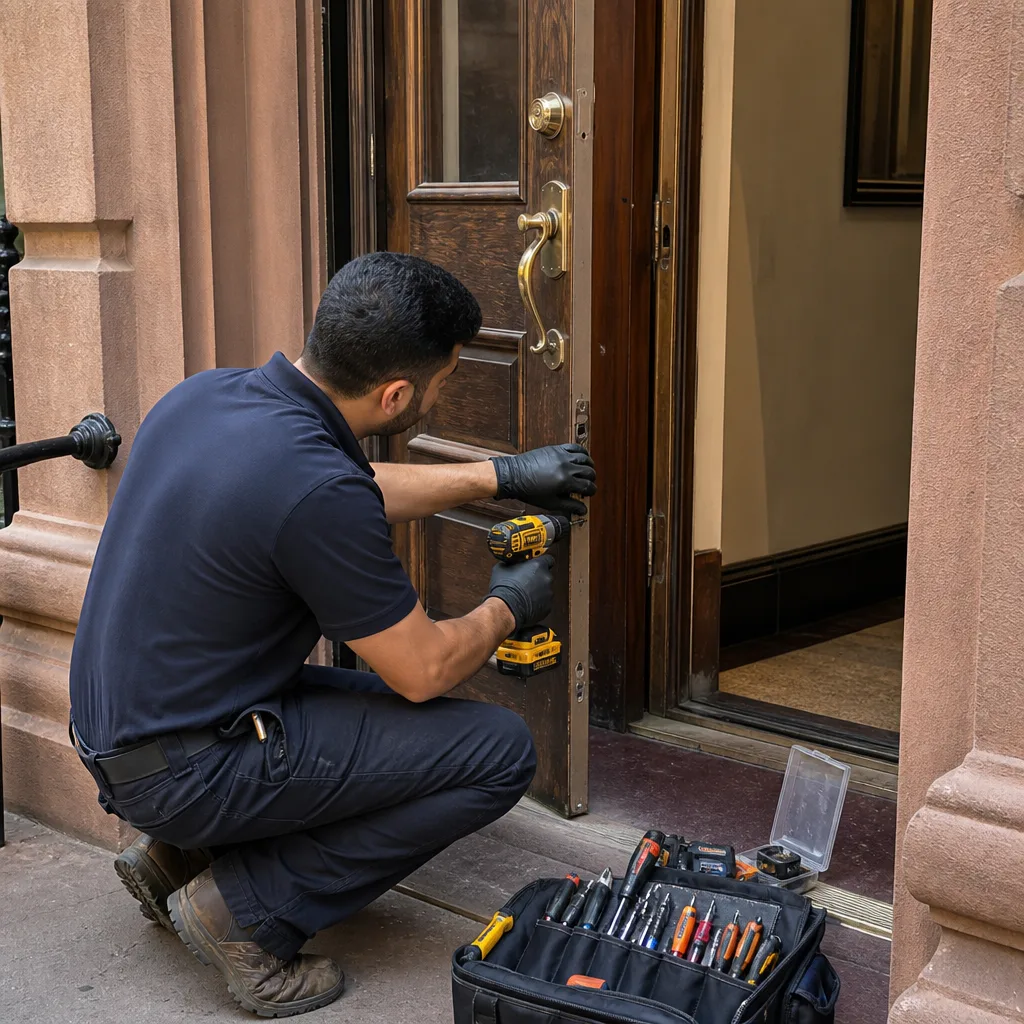
A Sargent cylinder rekey is not high-tension or electrical work, but it is precision work. An owner with patience and a pinning kit can repin a standard cylindrical lock - the risk is not injury, it’s creating a security gap you don’t know exists. We’ve been called to Manhattan apartments where a DIY rekey left two driver pins the same size, creating a master key situation the owner didn’t intend, or where a plug was reinstalled with the tailpiece 180 degrees off, scoring the cam and ruining a $140 cylinder.
What you can safely check: confirm the model number, verify you have the correct key blank (Sargent LA for 10/11-Line, Sargent 6270 for Signature Series), and photograph the cylinder before disassembly so pin positions can be referenced. What goes wrong: mixing pin brands, losing the top springs into the door cavity, or failing to notice a cracked plug housing that will fail again in weeks. For master key systems, SFIC cores, or any Signature Series hardware, the bitting depths and sidebar coding require factory documentation we carry. Call (862) 319-3759 and we’ll quote the exact price for your model - no dispatch until you have it in writing.
FAQs
In Manhattan’s climate and usage patterns, a properly repinned Sargent cylinder lasts 7-12 years in residential service, 3-5 years in commercial high-traffic applications. The limiting factor is usually key duplication quality - poorly cut copies accelerate pin wear. We use code-cut keys from original bitting specifications, not duplicated from worn keys, which extends service life significantly.
Sometimes. A sticky plug can often be salvaged with proper cleaning and lubrication if the pin tolerances are still within spec. But if the keyway is worn, the cam is cracked, or the sidebar mechanism in a Signature Series cylinder has lost its spring tension, repair is temporary and rekeying with a new cylinder core is the sound fix. We inspect and report what we find - no automatic replacement. Call (862) 319-3759 for a free assessment.
Most single-cylinder rekeys take 20-40 minutes from van arrival to tested function. A full master key system rekey for a Manhattan co-op with 12-15 cylinders takes 2-3 hours, including key cutting and a written bitting register. We schedule these during building maintenance windows to minimize disruption.
Yes. Every Novak van carries Sargent OEM pinning kits for 10/11-Line and Signature Series, LA and 6270 key blanks in common depths, and replacement SFIC cores. For obsolete Sargent models - the 20-Line rim locks still found in some Upper West Side brownstones, for instance - we stock compatible aftermarket cylinders that fit the existing door prep without modification. The name on the invoice is the same as the name on the van.
Written by Daniel Novak, Owner, Novak Lock & Security Manhattan at Novak Lock & Security Manhattan, serving Manhattan and nearby areas.