
Non-destructive entry first, always - and we re-key Schlage, Kwikset, and Baldwin locks on the spot while you watch
You get a price before we start. It does not change when we arrive. No surprises.
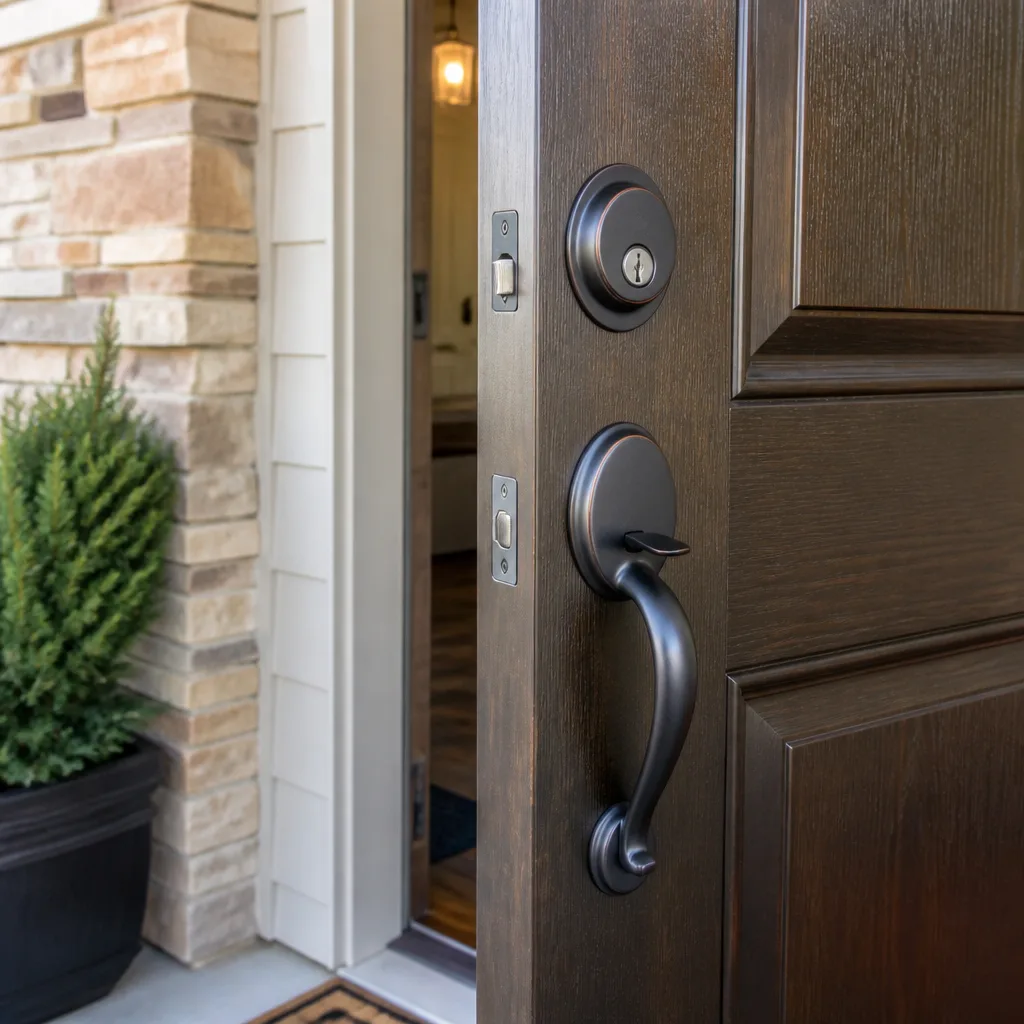
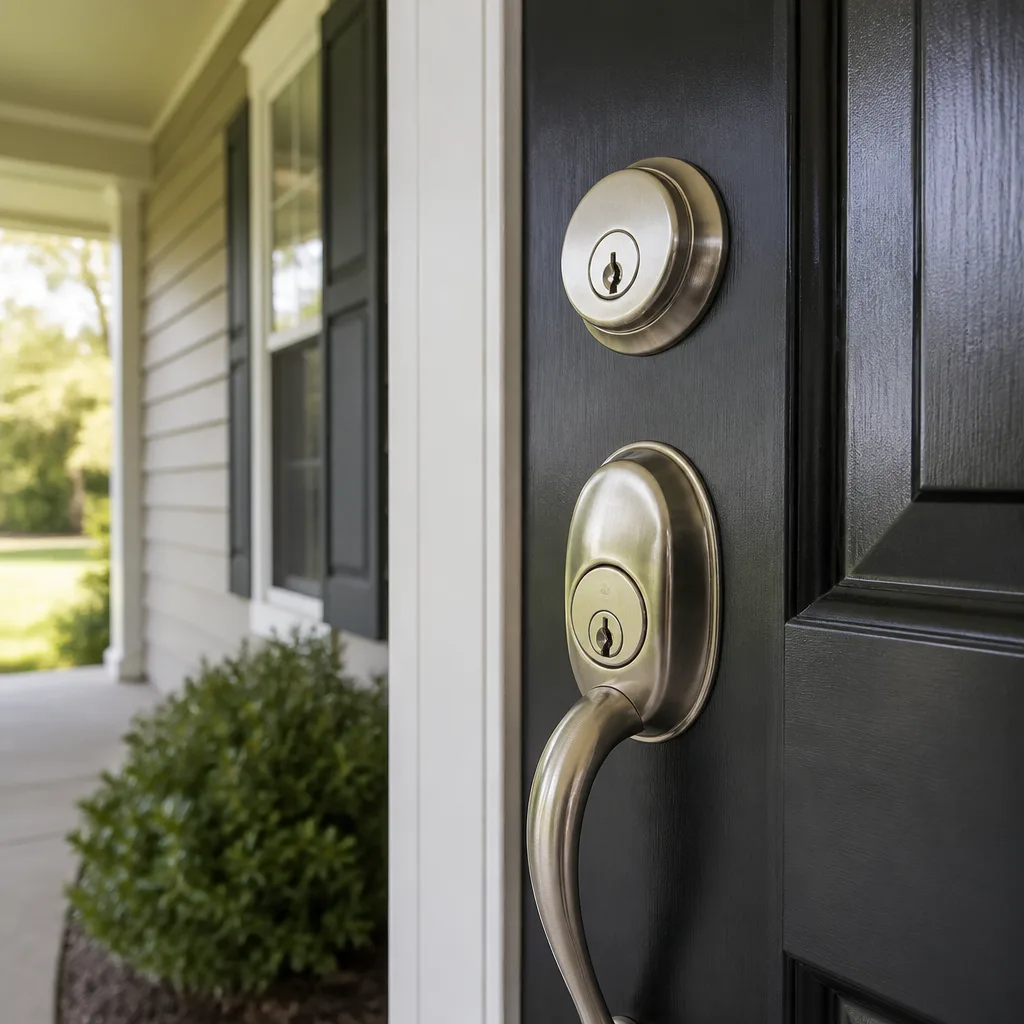
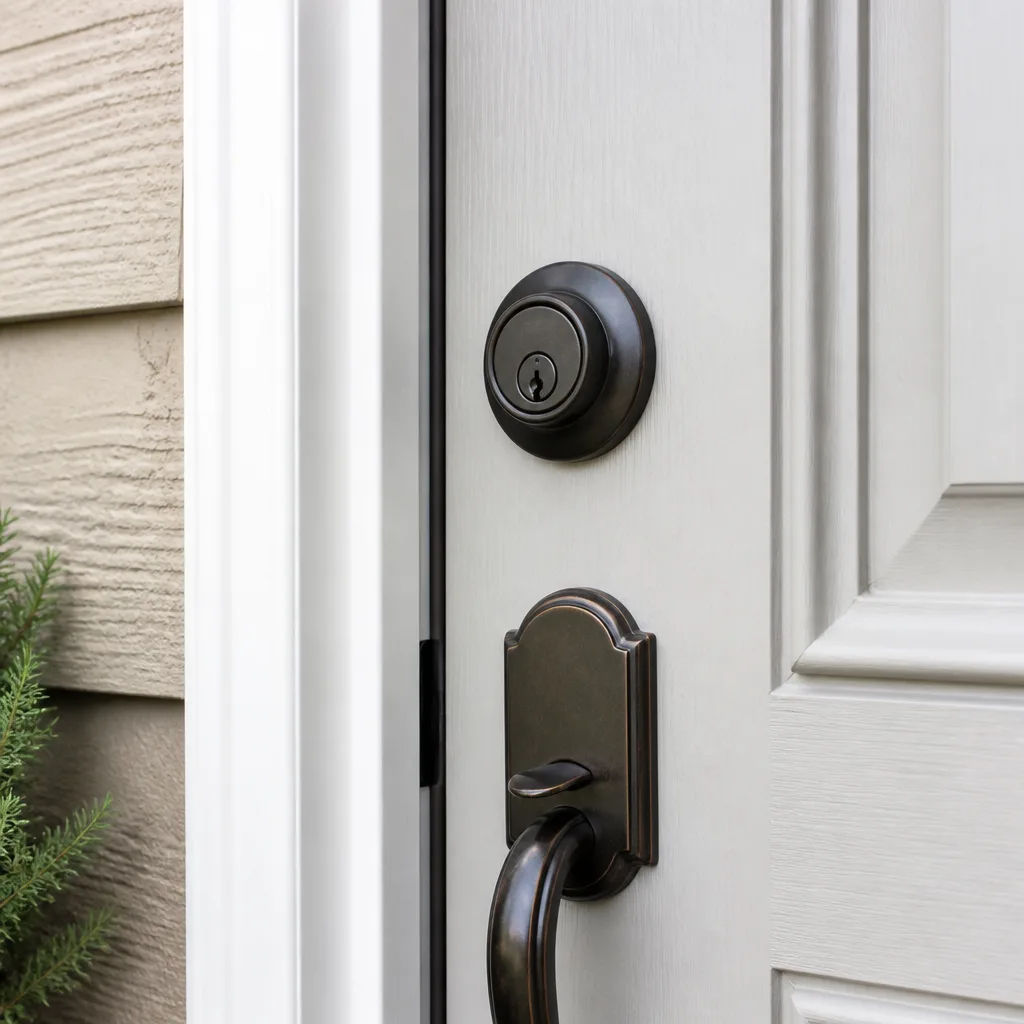
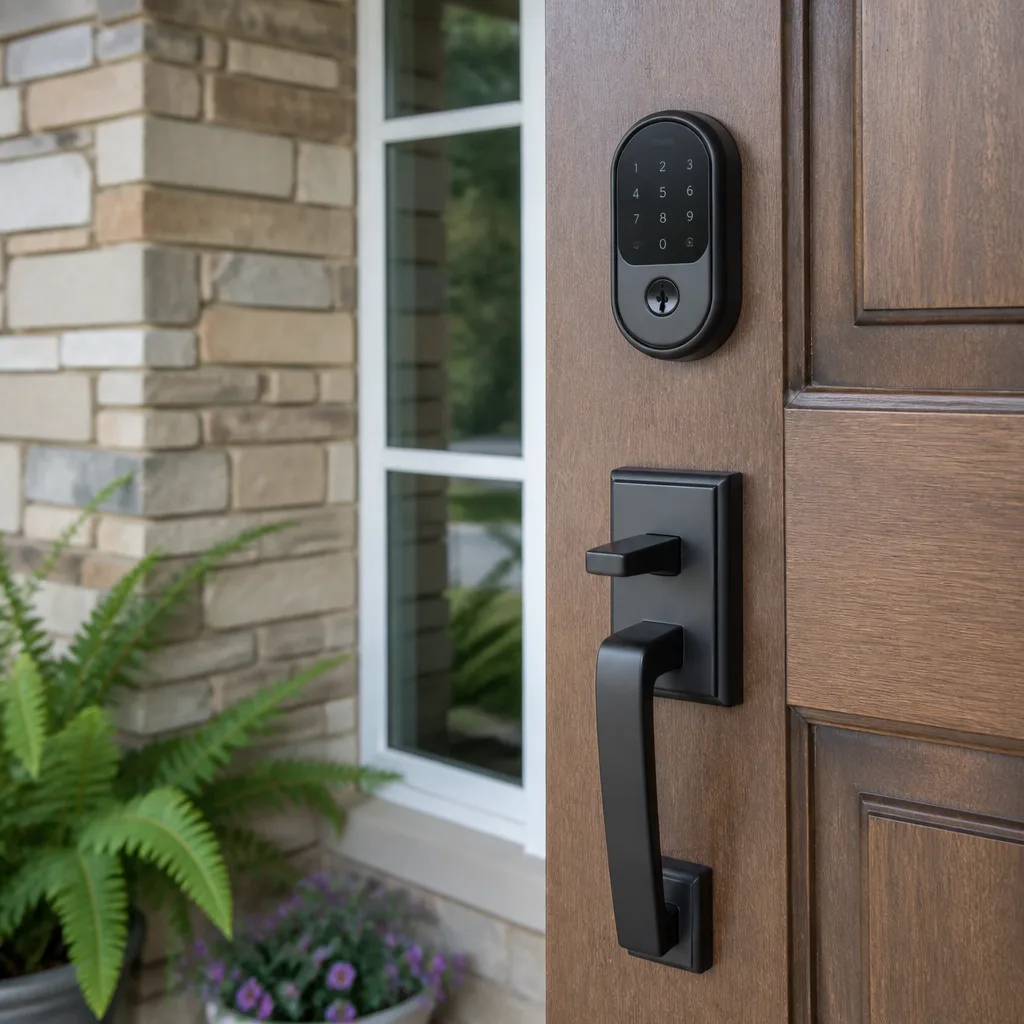
Abloy Smart Lock Installation: The Manhattan Owner’s Guide
Abloy smart lock installation in Manhattan typically runs $380-$720 for a complete retrofit, including the smart cylinder, mechanical override, and mobile credential setup. We stock Abloy-compatible smart cylinders for the Protec2 and Sento series on our trucks, and most residential installations are completed in a single visit. The name on the invoice is the same as the name on the van.
Most Manhattan owners discover their Abloy smart lock needs professional attention when the Bluetooth credential fails to authenticate, the mechanical key override sticks in humid summer conditions, or the cylinder won’t complete its motorized throw after a building-wide power fluctuation. In pre-war walk-ups from the West Village to Harlem, we’ve found that voltage inconsistency and door-frame misalignment cause more smart lock failures than the cylinder itself.
Which Abloy Models This Applies To
We install and retrofit smart lock hardware across three Abloy product lines common in Manhattan buildings.
- Abloy Protec2 - The CLIQ and PROTEC2 SMART cylinders. Look for the “Protec2” engraving on the key bow and the 11-disc sidebar mechanism. Smart retrofit requires the specific CLIQ cylinder or the newer SMARTair module; standard Protec2 cylinders cannot be field-upgraded.
- Abloy Sento - The Sento Digital and Sento Smart locks, identifiable by the rectangular escutcheon and the Sento keyway. These use a different mounting footprint than Protec2; the smart module is integrated, not retrofitted.
- Abloy Classic / Exec - Older Manhattan commercial installations. These cannot accept smart retrofits without full cylinder replacement; we replace with Protec2 CLIQ rather than attempt incompatible upgrades.
The OEM-versus-aftermarket decision for Abloy is straightforward: Abloy’s key control and disc-detainer mechanism are proprietary. Aftermarket cylinders marketed as “Abloy-compatible” lack the sidebar geometry and will not accept genuine Abloy keys. We source factory-authorized CLIQ and SMARTair components; the keyway geometry, disc tolerances, and mobile credential encryption are not replicable aftermarket. For a building on the Upper East Side with existing Protec2 master keying, only an OEM CLIQ cylinder preserves the master key hierarchy.
One compatibility gotcha we’ve seen in Manhattan co-ops: the Protec2 CLIQ cylinder adds 4mm to the overall length. In doors with mortise locks and tight backset clearances, common in 1960s-era mid-rise buildings near Lincoln Center, this requires a spacer or lock body modification. We measure before we quote.
Signs Your Abloy Smart Lock Installation Is Failing

- Bluetooth credential authenticates but the bolt doesn’t throw. The motorized clutch is slipping, usually from accumulated grit in the mechanism or a weakening drive motor. Manhattan’s winter salt and summer humidity accelerate this; we disassemble, clean, and replace the clutch assembly.
- Mechanical override key binds or requires force. The disc pack is misaligned or a single disc has developed a burr. This is a wear pattern we see after 6-8 years in high-cycle commercial doors; it progresses to full seizure if ignored.
- Intermittent “low battery” warnings with fresh cells. The cylinder’s voltage regulator is failing, often from a past reverse-polarity battery insertion or corrosion at the contact points. Not a battery problem; a hardware problem.
- Mobile app shows “cylinder not responding” but other locks connect. The cylinder’s BLE radio module has failed or the antenna connection has loosened. In steel-frame buildings, especially pre-war construction with thick plaster and lath, radio propagation is already marginal; a weakened module drops offline entirely.
- The cylinder rotates freely without engaging the latch. The cam or tailpiece adapter has sheared or the set screw has backed out. This is a mechanical failure independent of the smart electronics; it leaves the door unsecured even if the credential system reads green.
Replacement Cost & What’s Included
| Service Component | Manhattan Price Range |
|---|---|
| Abloy Protec2 CLIQ cylinder (OEM), installed | $380-$520 |
| Abloy SMARTair module with new escutcheon, installed | $480-$650 |
| Sento Digital complete lock replacement, installed | $550-$720 |
| Master key system reprogramming (per hierarchy level) | $85-$140 |
| Door-frame modification for cylinder fit (if needed) | $120-$180 |
What drives the range: cylinder grade (residential CLIQ versus commercial CLIQ Pro), whether the existing mortise lock body accepts the new cylinder without modification, and whether master keying requires on-site programming or factory-level re-encryption. Every price is quoted in writing before we start; Haven Standard Clause 1 prohibits any change at the door. The installed price includes the documented photo record, the 365-Day Done Right Promise, and mobile credential setup with the building’s designated administrator. No call-out surcharge is added to the quoted figure.
DIY or Call Us?
There is one thing an owner can safely check: remove the battery, inspect the contacts for green or white corrosion, and reinstall with correct polarity. If the cylinder functions normally after, you’ve solved it.
Everything else requires specific tools and carries risk. The disc-detainer mechanism in an Abloy cylinder is not a pin-tumbler; disassembly without a disc-alignment jig and the correct follower will scatter the disc pack. The motorized clutch operates at high torque; a slipped tool can damage the gear train. Most critically, incorrect reinstallation can leave the door mechanically unlocked while appearing secured by the credential system.
We carry Protec2 CLIQ and SMARTair modules on our trucks. For a same-day assessment, call (862) 319-3759. The dispatcher will confirm the model from your key engraving or cylinder markings and quote a firm price before we dispatch.
FAQs
In Manhattan’s climate, a Protec2 CLIQ cylinder typically operates 8-12 years in residential use and 5-7 years in commercial high-cycle applications before the clutch or motor requires service. Salt air infiltration in waterfront buildings from Battery Park City to the East River reduces this by 20-30 percent; we see more frequent corrosion-related failures in those zones. Call (862) 319-3759 if you’re noticing early wear symptoms; estimates are free.
Some failures are repairable: a binding disc can be polished, a loose antenna connection can be resoldered, and firmware can be reflashed for certain BLE module issues. However, the motorized clutch assembly and the disc pack itself are sealed units; Abloy does not authorize field rebuilding. We assess on-site and will tell you honestly if repair is viable; if replacement is required, the price quoted on the phone is the price on the invoice. Call (862) 319-3759 to schedule.
Most residential Abloy smart lock retrofits take 45-90 minutes, including removal of the existing cylinder, fit verification, installation, and mobile credential enrollment. Commercial master-keyed installations with multiple hierarchy levels require 2-3 hours for programming and validation. We stock the common cylinders; same-day completion is standard when you call before 3 PM. Call (862) 319-3759 to confirm current availability.
Yes. We carry Protec2 CLIQ cylinders in the most common finish and cam configurations, SMARTair modules for both Scandinavian and ANSI mortise footprints, and Sento Digital replacement units. For specialized finishes or rare cam geometries, we source overnight from Abloy’s North American distribution. The dispatcher will verify stock against your door’s specifications when you call. Call (862) 319-3759; estimates are free.
Written by Daniel Novak, Owner, Novak Lock & Security Manhattan at Novak Lock & Security Manhattan, serving Manhattan and nearby areas.